Brownie Troubleshooting Guide (Fix Your 2026 Brownie Fails)
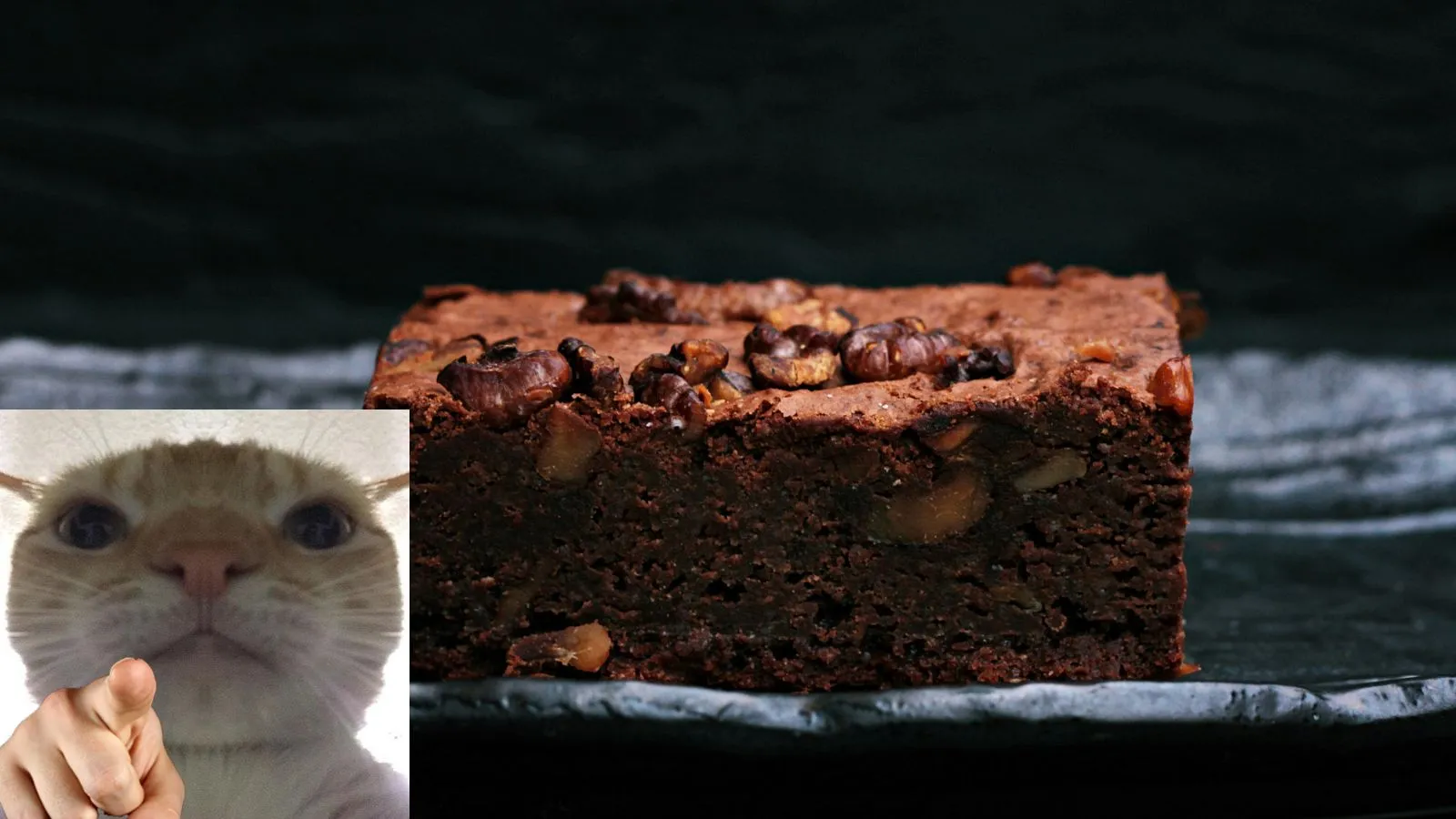
Brownies look simple, but tiny changes in ingredients, mixing, pans, or oven behavior can flip them from fudgy perfection to dry, raw, cakey, or just plain weird. Most brownie “fails” come down to a few recurring issues: wrong bake time, unbalanced fat–flour–sugar–egg ratios, overmixing, or inaccurate oven temperature.
This guide walks through the most common brownie complaints one by one—explaining what went wrong, how to rescue the current batch (when possible), and how to prevent the problem next time. You’ll also find some expert resources linked along the way so you can dive deeper into brownie science.
Big Picture: What Controls Brownie Texture?
Before jumping into specific questions, it helps to know what really drives brownie texture.
- Flour builds structure. Too much flour, or overmixing after adding it, creates more gluten and a drier, cakier crumb.
- Fat (butter, oil, chocolate) adds richness and fudginess. Higher fat–to–flour ratios lead to denser, fudgier brownies.
- Sugar holds moisture and helps the shiny crust. Sugar is hygroscopic (it attracts water), so it keeps brownies moist and also helps form that thin, crackly top.
- Eggs provide structure and lift. More eggs and more air beaten into them push brownies toward cakey, tall, and sometimes eggy or spongy.
- Heat and pan choice decide doneness. Hotter ovens, darker or metal pans, and leaving brownies in the hot pan too long all nudge them toward dry and overbaked, while cooler ovens or glass pans often leave centers raw.
Keep those levers in mind as you read each question below.
Brownie Troubleshooting Table (a.k.a Brownie Cheatsheet)
Sometimes you don’t want a full deep dive—you just want to look at your pan, match what you see, and know what to fix next time. This quick brownie diagnosis table pulls together the most common visual “symptoms,” the most likely causes, and the simplest adjustments, so you can tweak your flour, fat, mixing, or baking time without rereading the whole guide. Use it as a cheat sheet while you bake, then scroll back up into the article whenever you want the science behind each fix.
| What you see | Most likely cause | Quick fix for next time |
|---|---|---|
| Dry, crumbly brownies | Overbaked, too much flour, or not enough fat. | Weigh flour, slightly reduce bake time, and pull when a toothpick shows moist crumbs, not a clean stick. |
| Raw or gooey middle, set edges | Oven too cool, pan too small/thick batter layer, or pulled too early. | Use an oven thermometer, spread batter in the right‑size pan, and bake at a slightly lower temp for longer until the center has moist crumbs. |
| Cakey, tall brownies | Too much flour, leavening, or eggs; batter beaten too much (too much air). | Use a fudgy recipe (more fat, less flour, minimal leavening) and stir gently once flour goes in. |
| Brownies sink in the center | Excess leavening or over‑aerated batter plus underbaked middle. | Reduce baking powder/soda, avoid overmixing, and bake until the center is just set with moist crumbs. Cool in the pan on a rack. |
| Thick, hard crust on top | Oven too hot or baked too long, especially with high sugar. | Drop oven temp slightly, start checking earlier, and remove once the center is set but still soft. |
| No shiny, crinkly top | Sugar not dissolved enough into butter/chocolate, or eggs and sugar not mixed well. | Whisk sugar into warm butter/chocolate or beat sugar and eggs until thick and glossy before adding dry ingredients. |
| Brownies taste eggy | Too many eggs or underbaked center, not enough chocolate/vanilla to balance. | Use a formula with fewer eggs for fudgy brownies and bake until the center is properly set; boost vanilla and chocolate. |
| Bitter, harsh chocolate flavor | Very dark cocoa or chocolate with not enough sugar; too much baking soda/powder. | Use good‑quality cocoa, the correct leavening amount, and balance with enough sugar and a pinch of salt. |
| Greasy, oily top | Excess fat or poorly emulsified batter; often underbaked. | Stick to a tested recipe, beat eggs and sugar well before adding fat, and bake until the crumb is set, not liquid. |
| Burnt edges, fine center | Oven too hot or dark pan; pan left on hot rack for too long. | Reduce temperature slightly or use a lighter‑colored metal pan and cool the pan on a rack immediately after baking. |
| Gummy, dense interior | Underbaked, overmixed after adding flour (gluten), or too much moisture. | Fold flour in gently just to combine and bake a bit longer until you see moist crumbs, not wet batter, on a toothpick. |
| Pale brownies | Short bake, low oven temp, or light cocoa/low chocolate content. | Bake until edges are set and the top deepens in color; use darker cocoa or melted chocolate for deeper color. |
Dry, Crumbly, or Hard Brownies
Why are my brownies dry and crumbly?
Most often, brownies turn dry or crumbly because they were overbaked, used too much flour, or didn’t include enough fat or moisture. Even if you followed the time in the recipe, your oven might run hot, or your pan might be thinner or darker, causing them to cook faster.
Fix it next time:
- Start checking 5–10 minutes before the recipe time. Pull brownies when a toothpick in the center comes out with a few moist crumbs, not completely clean.
- Weigh your flour or lightly spoon and level; packed flour quietly dries brownies out.
Why are my brownies dry even though I used butter?
Butter alone doesn’t guarantee moisture; if the flour is high, the batter is overmixed, or the bake is too long, you’ll still get a dry crumb. Butter also continues cooking (and drying out) the brownies while they sit in a hot pan after baking.
Fix: Remove the pan from the oven as soon as you hit “moist crumbs” stage and cool on a wire rack; lifting parchment‑lined brownies out of the hot pan stops carryover cooking.
Why do my brownies turn hard after cooling or the next day?
Brownies firm up as they cool because steam escapes and sugar and starch set; a slightly overbaked pan will feel especially hard once fully cooled. Storing them uncovered or in the fridge without wrapping accelerates drying.
Fix:
- For current brownies, gently warm slices in the microwave and serve with cream, ice cream, or ganache to add moisture.
- Next time, underbake slightly, cool completely, then store tightly wrapped at room temperature.
Learn the best methods to reheat brownies.
Undercooked, Gooey, or Not Setting
Why are my brownies still raw in the middle?
If the center is raw while the top looks done, your oven may be cooler than it claims, your pan may be too small or too full, or you may have pulled them too early. High sugar and fat formulas also delay setting in the middle.
Fix now:
- Cover the pan tightly with foil and return to a slightly lower oven temperature (around 160–165 °C / 325 °F), baking in 5–10 minute intervals until a toothpick hits thick, fudgy crumbs instead of liquid batter.
Why are my brownies too gooey even after extra baking time?
If the center stays soupy, there may simply be too much moisture or fat for the pan size and bake time, or the oven temperature is off. At some point, extra baking just scorches the edges while the middle remains underdone.
Fix now: Chill the pan completely, then slice and serve the gooey center as a warm dessert sauce, over ice cream, or roll chilled scoops into truffles coated in cocoa or nuts.
Prevent it: Use an oven thermometer and, if needed, slightly reduce sugar/fat or bake in a larger pan so the batter layer is thinner.
Why are my brownies not setting in the fridge?
The fridge firms up already‑baked batter by cooling and stabilizing fat and sugar; it doesn’t “bake” raw batter. If your brownies are liquid rather than just soft, chilling won’t fix the underbaking.
Fix: If they’re just very soft, chill overnight, then cut with a hot, sharp knife. If the center is truly raw, you either need to rebake (foil‑covered) or repurpose as sauce or truffles.
Why are my brownie edges perfect but the centre is underbaked?
Oven heat comes mainly from the sides and bottom, so edges cook faster; a thick batter layer or a cool oven keeps the center behind. Glass or very thick pans also heat more slowly at the center.
Fix:
- Bake at a slightly lower temperature for longer to even out heat.
- Rotate the pan halfway and tent loosely with foil once the edges are set to protect them while the center catches up.
Sinking, Collapsing, or Falling Apart
Why did my brownies sink in the centre after baking?
Brownies usually sink because they rose too fast or too high, then collapsed when the internal structure couldn’t support them. Common causes include too much leavening (baking powder/soda), overbeaten eggs (too much air), or underbaking the center so it sets weakly.
Fix:
- Use only the amount of baking powder/soda the recipe specifies—or none, for fudgy styles.
- Mix gently once flour is added; avoid whipping lots of air into the batter at that stage.
Learn how to store brownies.
Why do my brownies collapse when I cut them warm?
Warm brownies are fragile; the structure is still setting as they cool, and cutting too early tears the crumb and makes pieces look sunken or squashed.
Fix: Cool in the pan on a rack until just slightly warm, then chill if you want ultra‑clean slices before cutting with a hot knife.
Why are my brownies falling apart when I lift them from the pan?
Trying to lift brownies by the edges while they’re hot or barely set will cause them to crack and crumble. Also, very fudgy, high‑fat brownies need time to firm up before moving.
Fix:
- Always line the pan with parchment with an overhang, cool thoroughly, then lift by supporting the base.
- If they’re extremely fudgy, chill before lifting.
Cakey, Flat, Dense, or Gummy Texture
Why did my brownies rise too much and turn cakey?
Cakey brownies usually come from a higher flour‑to‑fat ratio, more eggs, extra leavening, or batter that’s been beaten to incorporate lots of air. That combination gives you a lighter, taller crumb more like chocolate cake.
Fix:
- For fudgier brownies, use a recipe with more fat (butter or chocolate), less flour, and minimal or no chemical leavening.
- Stir gently by hand once flour goes in; don’t whisk vigorously.
Why do my brownies turn out very thin and flat?
Thin, flat brownies usually come from too large a pan for the amount of batter, not enough flour or eggs for structure, or underwhipped eggs when the recipe depends on them for lift.
Fix: Use the pan size specified in the recipe, or if you change pans, adjust baking time and consider scaling the recipe.
Why are my brownies dense but not fudgy?
Dense but dull or stodgy brownies typically mean the crumb is compact but dry: too much flour, overbaking, or overmixing after adding flour. Lack of enough sugar or fat for the amount of flour can also make them taste heavy instead of luxurious.
Fix: Increase fat slightly, reduce flour a bit, and avoid beating once the dry ingredients are in.
Why are my brownies dense and gummy instead of soft?
Gummy brownies often result from too much moisture trapped in the crumb, underbaking, or overdeveloped gluten from a lot of stirring. Using lots of cocoa powder without adjusting liquid can also give a thick, pasty texture.
Fix: Bake a little longer until you see moist crumbs (not wet batter) on a toothpick, and fold flour in gently until just combined.
Why are my brownies too chewy and tough?
Tough chewiness comes from overmixing once flour is added (developing gluten) or from a very high flour content relative to fat. Overbaking also dries the crumb and makes it feel leathery at the edges.
Fix:
- Switch to a higher‑fat, lower‑flour recipe for fudgier brownies.
- Stir just until you no longer see dry flour, then stop.
Why are my eggless brownies not fudgy?
Eggless brownies rely heavily on fat, sugar, and sometimes starches or purees for structure; without eggs, it’s easy to end up either crumbly or gummy. Using too much flour or an aggressive egg substitute can make them cakey instead of fudgy.
Fix: Look for egg‑free formulas specifically designed to be fudgy, with higher fat and sugar and carefully tested binders (like flax, yogurt, or condensed milk).
Why are my one‑bowl brownies turning out lumpy?
Lumps usually mean dry ingredients weren’t fully whisked before adding or the batter wasn’t mixed evenly once flour went in. Cocoa in particular clumps if not sifted or whisked with flour and sugar.
Fix: Whisk dry ingredients thoroughly before they meet wet; if you see flour pockets, gently fold until they disappear, but avoid overbeating.
Crust, Cracks, and Shiny Top
Why do my brownies crack on top?
Cracks form when a thin, sugar‑and‑egg rich surface crust sets before the brownie underneath is fully done; as the center continues to expand, that delicate top layer splits. This is actually a hallmark of many classic brownies.
Why do my brownies not get that shiny, crinkly top?
A shiny, papery top needs dissolved sugar and well‑emulsified eggs so that a meringue‑like layer can rise to the surface and set. If sugar isn’t dissolved enough, or the batter isn’t mixed to fully combine sugar and eggs, the surface can look dull.
Fix:
- Whisk sugar into warm melted butter and chocolate until it looks glossy and syrupy, or beat sugar and eggs together several minutes until thick before folding in the rest.
Why do my brownies have a hard, crusty top?
A very thick, hard crust usually comes from baking too long, baking at too high a temperature, or using a high‑sugar batter that dries out on top.
Fix: Lower the baking temperature slightly and consider reducing the bake time; pull brownies when the center is just set with moist crumbs on a toothpick.
Why are my brownies sticky on top even after cooling?
A sticky or tacky top often indicates slightly underbaked brownies or high humidity, especially in very sugary recipes. Sometimes steam condenses on the surface during cooling, creating stickiness.
Fix: You can dust lightly with cocoa or powdered sugar before slicing, or bake a couple minutes longer next time.
Why do my brownies develop sugar crystals or a sandy texture?
Undissolved sugar or sugar that recrystallizes as brownies cool can create a sandy, grainy bite. This often happens when sugar isn’t sufficiently dissolved in the melted butter/chocolate or the batter cools too fast after a very hot bake.
Fix: Make sure you’re mixing sugar into warm fat and eggs until it looks glossy and mostly dissolved, and avoid drastically overbaking.
Flavor Problems: Eggy, Bitter, Bland, or Salty
Why do my brownies taste eggy?
Eggy flavor comes from a high egg‑to‑fat ratio or underbaking, which leaves more of that custardy taste in the center. Not enough chocolate, cocoa, or vanilla to balance the eggs can make this more noticeable.
Fix: Use recipes with fewer eggs for fudgy brownies, bake to the fudgy‑crumb stage, and boost vanilla or chocolate intensity.
Why are my brownies bitter instead of chocolaty?
Cocoa is naturally bitter; if the recipe uses a lot of cocoa or very dark chocolate without enough sugar or balancing flavors, brownies can taste harsh. Too much baking powder or baking soda can also leave a chemical bitterness if not balanced with acidity.
Fix:
- Use the correct type (natural vs Dutch‑process) and amount of cocoa.
- Avoid overusing baking soda/powder.
- Many bakers add a bit of espresso to hot chocolate mixture to smooth cocoa bitterness without making brownies taste like coffee.
Why are my brownies too sweet even when I followed the recipe?
Perceived sweetness depends on sugar, chocolate type, and salt level; using milk chocolate or low‑cocoa chocolate chips instead of dark magnifies sweetness. Skipping or reducing salt also makes brownies feel flatter and more sugary.
Fix: Use darker chocolate and keep a pinch of salt; next time, choose a formula designed to be less sweet rather than randomly cutting sugar (which affects texture).
Why are my brownies turning out bland and flat‑tasting?
If you under‑salt or use weak cocoa/chocolate, brownies can taste one‑note and flat. Overpacking flour or overbaking also mutes chocolate flavor by diluting and drying it out.
Fix:
- Use good‑quality cocoa or chocolate.
- Don’t skip salt—it actually enhances sweetness and chocolate notes.
Why do my brownies taste floury or pasty?
Floury or pasty flavor usually means too much flour, flour that wasn’t fully hydrated, or underbaked centers where starch hasn’t gelled.
Fix: Measure flour accurately, mix until there are no dry streaks, and bake until the center shows moist crumbs, not raw batter.
Why do my brownies taste salty or off?
Too much salt, using salted butter plus added salt, or accidentally using baking soda where baking powder is called for can lead to harsh or soapy flavors. Old or improperly stored leaveners can also taste metallic or strange.
Fix: Double‑check that you’re using the correct type and amount of salt and leavening and that your ingredients are fresh.
Why do my brownies have a weird metallic aftertaste?
Metallic aftertaste often comes from too much baking powder or baking soda, especially aluminum‑based powders, or from mismeasuring leavening. Sometimes an acidic cocoa and excessive soda interact poorly.
Fix: Use only the leavening called for (or switch to aluminum‑free baking powder), and follow a trusted recipe’s cocoa type and amount.
Why do my brownies not taste chocolaty enough even with cocoa?
Cocoa alone can’t compensate for low overall chocolate intensity; too much flour or sugar can dilute the cocoa; low‑fat cocoa can also taste weaker.
Fix: Combine cocoa with melted dark chocolate, use high‑quality cocoa, and ensure your recipe doesn’t overload flour.
Grease, Sticking, and Cutting Issues
Why are my brownies greasy and oily on top?
Too much butter or oil, insufficient emulsification, or very low flour can cause fat to separate and pool on top. Underbaking can also leave a greasy surface that never fully sets.
Fix: Use a well‑tested recipe with balanced fat–to–flour ratios and beat eggs and sugar well before adding fat so the batter holds it in suspension.
Why do my brownies stick to the pan?
A pan that isn’t properly greased or lined, or one with scratches and rough spots, will cling to sugary batters like brownies.
Fix: Line the pan with parchment with overhang, lightly grease underneath and on the sides, and let brownies cool before lifting or loosening.
Why are my brownies sticking to the knife when cutting?
Warm, fudgy brownies naturally cling to blades, especially if they’re very moist or underbaked.
Fix: Chill brownies before cutting and wipe a sharp knife clean between cuts; dipping the blade in hot water and drying it also helps.
Uneven Baking, Color, and Inconsistent Results
Why are my brownies unevenly baked across the pan?
Hot spots in your oven, placing the pan too close to a heating element, or using very dark pans can cause one side to bake faster. A crooked rack or uneven spreading of batter also contributes.
Fix:
- Use an oven thermometer and rotate the pan halfway through baking.
- Spread batter evenly and bake on the middle rack.
Why are my brownies uneven in height across the pan?
Uneven heat, sloping racks, or thicker batter in one corner cause brownies to rise more in some areas.
Fix: Level your oven rack if needed, spread batter carefully, and avoid crowding one side of the oven with other pans.
Why are my brownies pale instead of deep brown?
Short baking times, low oven temperature, or lighter chocolates/cocoas can leave brownies pale. A lot of flour and relatively little cocoa or dark chocolate also limits browning.
Fix: Use darker chocolate or Dutch‑process cocoa if the recipe allows, and bake long enough for proper Maillard browning without drying them out.
Why are my brownies overbaked even at the recommended time?
Ovens vary—some run hotter than their settings—and pan materials change how quickly brownies bake. If your oven runs hot, the recipe’s time may simply be too long for your setup.
Fix:
- Calibrate with an oven thermometer, and start checking 5–10 minutes before the suggested time.
- Remember that brownies continue to cook in the hot pan after leaving the oven.
Why do my brownies turn out different every time?
Small changes in ingredient measuring, oven temperature, pan type, and mixing can make brownies vary from batch to batch. Even how you pack flour or the brand of chocolate affects results.
Fix:
- Weigh ingredients, use the same pan type when possible, and use an oven thermometer.
- Note bake time, rack position, and visual cues in a baking journal so you can repeat success.
Key Takeaways for Better Brownies
- Texture is all about ratios. Less flour and more fat and egg yolks push brownies toward fudgy; more flour, more whites, and leavening moves them toward cakey.
- Sugar does more than sweeten. It locks in moisture, deepens flavor through browning, and helps build that shiny, crackly top when properly dissolved.
- Mixing technique matters. Beat sugar and eggs well for gloss and crust, but once flour goes in, stir gently to avoid tough, cakey crumbs.
- Your oven is a variable, not a constant. Use an oven thermometer, bake on the middle rack, and start checking 5–10 minutes before the recipe time; trust visual cues and toothpick tests over the clock.
- Pan choice changes everything. Dark pans and metal bake faster and give firmer edges, while glass and ceramic need lower temperature and longer time and can cause underbaked centers.
- Small notes lead to consistent results. Weighing ingredients and jotting down pan type, rack position, and exact bake time makes it much easier to repeat your perfect batch.
One Last Thing: Learn the Science, Then Bake Freely
If you remember only a few things from this guide, let them be these: balance fat, sugar, flour, and eggs; mix gently after the flour goes in; trust visual and toothpick cues over rigid times; and get to know your oven with a thermometer. Once those fundamentals click, almost every brownie problem on this list becomes easy to prevent—or at least fix creatively.
And if you ever decide you’d rather eat perfect brownies than troubleshoot them, we’ve got you. At Nannu’s Bakester Company, we bake small‑batch brownies, tarts, and cookies right here in Kozhikode, with a focus on rich chocolate flavor, thoughtful textures, and limited runs so everything tastes fresh. Whether you want to compare your home‑baked fudgy squares with a pro version or just skip straight to dessert, you can explore our menu and place your order at nannus.in

Ideal Oven Temperature for Brownies (Celsius & Fahrenheit Guide)
Find the ideal oven temperature for brownies in Celsius and Fahrenheit. Learn the best baking temps for fudgy, chewy, or cakey brownies with easy tips for perfect results every time.
Read article →How to Fix Oily Brownies After Baking
Discover how to fix oily brownies after baking with simple tricks like blotting, chilling, and creative repurposing so your batch still tastes great.
Read article →What's the Secret to Soft & Chewy Cookies? (Insider Tips)
Unlock the secrets to soft & chewy cookies! Learn ingredient tips, mixing techniques, and baking secrets for perfect cookies every time.
Read article →