What's the Best Way to Reheat Brownies for Ultimate Flavor?
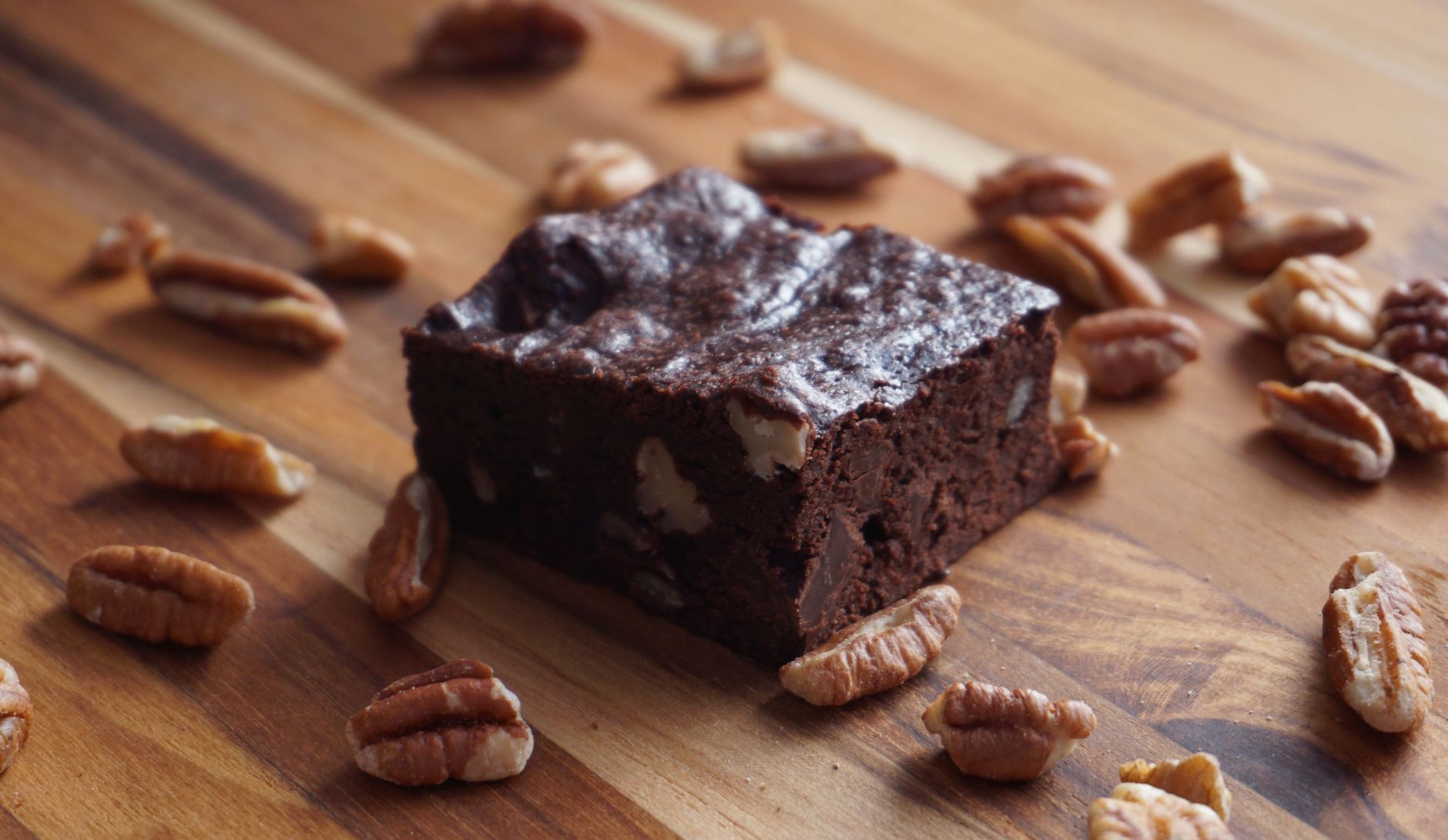
Is there anything more disappointing than a leftover brownie that's gone hard and sad? You know the ones – they were fudgy perfection just yesterday, and now they’re like little chocolate bricks. Fear not, fellow dessert lovers! We're about to embark on a delicious quest to discover the absolute best ways to reheat those glorious baked goods, ensuring every bite is as heavenly as the first. Forget dry, crumbly disappointments; we're talking about bringing back that gooey, melt-in-your-mouth magic.
This isn't just about reheating; it's about resurrection. We'll explore various methods, from the quick and easy microwave trick to the more patient oven revival, and even a surprisingly effective stovetop technique. Get ready to transform those day-old brownies into a treat that tastes freshly baked, whether you're enjoying them solo or perhaps as part of a delightful essert box selectdion.
The Microwave Method: Speed and Simplicity
The microwave is often the go-to for reheating leftovers, and for good reason – it’s fast! However, with brownies, speed can be a double-edged sword. Overdoing it in the microwave can quickly turn your fudgy delight into a rubbery disaster. The key here is gentle heat and a little bit of moisture.
The "Damp Towel" Trick
This is a classic for a reason. It introduces just enough steam to rehydrate the brownie without making it soggy.
- Preparation: Place your brownie (or brownies) on a microwave-safe plate. Don't stack them too high, as this can lead to uneven heating.
- Add Moisture: Drape a slightly damp paper towel over the brownie. Make sure it’s not dripping wet – just damp enough to create a steamy environment.
- Heat in Bursts: Microwave on medium power (or 50% power) for 15-20 second intervals. Check the brownie after each interval. You're looking for the chocolate chips to be melty and the brownie to be warm to the touch, not piping hot.
- Rest: Let it sit for about 30 seconds after heating. This allows the heat to distribute evenly and prevents the center from being too hot.
Why it works: The steam from the damp towel gently warms the brownie from the outside in, preventing the edges from drying out while the center becomes soft and gooey again. It’s a delicate balance, but when done right, it’s incredibly effective.
Pro Tip: If you’re reheating a brownie with frosting, be extra cautious. Frosting can melt very quickly, so use even shorter bursts of heat, perhaps 10-15 seconds at a time.
The Oven Method: For That "Just Baked" Feel
If you have a little more time and want to achieve a texture that’s remarkably close to freshly baked, the oven is your best friend. This method is excellent for reviving slightly firmer brownies or when you want to ensure an even warmth throughout.
Low and Slow Revival
Baking at a low temperature is crucial here. High heat will just dry them out further.
- Preheat: Set your oven to a low temperature, around 300°F (150°C).
- Prepare for Baking: Place your brownies on a baking sheet lined with parchment paper. If they’re already baked in a pan, you can reheat them directly in the pan, but ensure the pan is oven-safe.
- Add Moisture (Optional but Recommended): For an extra boost of moisture, you can place a small, oven-safe dish filled with a little water on the rack below the brownies. This creates a steamy environment, similar to the microwave trick but more controlled.
- Heat: Bake for about 5-10 minutes. The exact time will depend on the thickness of your brownies and how cold they are. Keep a close eye on them; you’re just looking to warm them through, not cook them further.
- Check for Doneness: The brownies should feel warm and slightly soft. If you insert a toothpick, it should come out mostly clean but with moist crumbs attached.
Why it works: The gentle, consistent heat of the oven warms the brownies evenly. The optional water dish creates a humid environment that prevents the edges from crisping up too much and helps rehydrate the interior. This method is particularly good for achieving that perfect fudgy center.
Considerations: This method is fantastic for reheating a whole pan of brownies or several individual squares at once. It’s less ideal for a single brownie if you’re in a major hurry, but the results are often worth the wait.
The Stovetop Method: An Unexpected Hero
This might sound a bit unconventional, but the stovetop can be a surprisingly effective way to reheat brownies, especially if you want a warm, slightly crisp exterior with a gooey interior. It requires a bit of attention, but the results can be fantastic.
The Skillet Sizzle
This method works best for individual brownies or pieces.
- Choose Your Pan: Use a non-stick skillet or a well-seasoned cast-iron skillet.
- Low Heat is Key: Place the skillet over very low heat. You want a gentle warmth, not a sizzle.
- Place the Brownie: Put your brownie directly into the warm skillet. If you like a little extra richness, you can add a tiny pat of butter to the pan, but this is optional.
- Cover and Warm: Cover the skillet with a lid or foil. This traps the heat and steam, helping to warm the brownie through.
- Monitor Closely: Let it warm for 2-4 minutes, checking frequently. You're aiming for the edges to be slightly warmed and perhaps a tiny bit crisped, while the center becomes soft and melty. You don't want to cook the bottom to a crisp.
Why it works: The direct but gentle heat from the stovetop warms the brownie from the bottom up, while the lid creates a steamy environment that prevents the top from drying out. It’s a controlled way to get a warm, soft brownie without a microwave or oven.
When to Use This: This is perfect for that late-night craving when you only want to reheat one or two brownies and don't want to turn on the oven. It’s also great if you prefer a slightly firmer edge on your reheated brownie.
Factors Affecting Reheating Success
No matter which method you choose, a few factors can influence how well your brownies reheat:
- Original Texture: How were the brownies baked in the first place? Were they meant to be fudgy, cakey, or chewy? Reheating will generally bring them closer to their original intended texture, but it won't fundamentally change it. If they were baked dry to begin with, they might still be a bit dry after reheating.
- Ingredients: Brownies with a higher fat content (butter, oil) and more chocolate tend to reheat better than those that are leaner. The fat helps keep them moist.
- Age: Brownies are best enjoyed within a day or two. While reheating can help, extremely old brownies might not yield the best results.
- Storage: How were the brownies stored before reheating? Properly stored brownies (in an airtight container at room temperature or in the fridge if they have perishable frosting) will reheat much better than those left uncovered.
Common Pitfalls and How to Avoid Them
- Overheating: This is the most common mistake. Microwaves are notorious for this. Always err on the side of underheating and add more time if needed. For ovens, keep the temperature low and the time short.
- Uneven Heating: This can happen in microwaves if the brownie is too thick or stacked. Try to reheat individual pieces or cut thicker brownies in half horizontally before reheating.
- Drying Out: This is the enemy of good brownies. Ensure you're adding moisture (damp towel, water dish) or trapping steam (lid on skillet) as needed.
- Expecting Miracles: While reheating can revive them, it's important to remember that day-old brownies might not be exactly like fresh-from-the-oven brownies. The goal is to get them as close as possible.
Elevating Your Reheated Brownie Experience
Once your brownie is perfectly reheated, why stop there? Take it to the next level!
- A La Mode: A scoop of vanilla ice cream is a classic pairing that complements the warm, gooey brownie beautifully.
- Whipped Cream: A dollop of fresh whipped cream adds lightness and a touch of elegance.
- Sauces: A drizzle of caramel, raspberry coulis, or even a bit more melted chocolate can transform your treat.
- Toppings: A sprinkle of sea salt can enhance the chocolate flavor, or try some toasted nuts for added crunch.
Think about how you might want to present these elevated treats. If you're considering putting together a special dessert assortment, understanding how to best prepare each component is key. For instance, if you're wondering about the best way to keep cookies soft and chewy, there are specific techniques for that too. Learning what makes cookies soft and chewy can be just as rewarding as perfecting your brownie reheating.
Frequently Asked Questions
Can I reheat brownies in an air fryer?
Yes, you can! Preheat your air fryer to around 300°F (150°C) and heat the brownie for 2-3 minutes. Keep a close eye on it, as air fryers can cook quickly. It’s best to place it on a small piece of parchment paper to prevent sticking.
How do I reheat frosted brownies?
Be very careful with frosted brownies. The frosting can melt and become a mess. Use the microwave on very short bursts (10-15 seconds) on medium power, or use the oven method at a slightly lower temperature (250°F/120°C) for a shorter time. It's often best to let them come to room temperature if they have a buttercream frosting.
What's the difference between reheating and baking?
Reheating aims to gently warm up already baked goods to restore their texture and flavor. Baking involves cooking raw batter or dough through chemical and physical changes using heat. Reheating is about preservation and revival, while baking is about creation.
Can I freeze brownies and then reheat them?
Absolutely! Properly wrapped brownies freeze well. To reheat, thaw them in the refrigerator overnight, then use your preferred reheating method. You can also reheat them directly from frozen in a low oven, but it will take longer.
How long do reheated brownies last?
Reheated brownies are best consumed immediately. If you have leftovers, store them in an airtight container at room temperature for a day. If they contain perishable frosting or fillings, refrigerate them and consume within 2-3 days.
Conclusion
Reheating brownies isn't rocket science, but it does require a touch of care and attention. By understanding the nuances of each method – the speed of the microwave, the gentle warmth of the oven, or the surprising effectiveness of the stovetop – you can ensure that your leftover brownies are never a disappointment again. Whether you're a seasoned baker or just someone who loves a good chocolate fix, mastering these techniques will bring a little extra joy to your dessert moments. So go ahead, bake those brownies, and know that their deliciousness can be extended with a little know-how!
At Nannu's Bakester Company, we pour our passion into crafting the richest brownies, the most buttery tarts, and the freshest cookies, all made in small batches with quality ingredients. We pride ourselves on delivering that perfect balance of flavor and texture, whether you're indulging yourself or looking for the perfect addition to a special dessert box. Our commitment to freshness and taste has earned us a reputation for some of the finest baked goods in Kozhikode. We believe every moment can be made sweeter with our handcrafted treats, and we invite you to experience the Nannu's difference.

Ideal Oven Temperature for Brownies (Celsius & Fahrenheit Guide)
Find the ideal oven temperature for brownies in Celsius and Fahrenheit. Learn the best baking temps for fudgy, chewy, or cakey brownies with easy tips for perfect results every time.
Read article →How to Fix Oily Brownies After Baking
Discover how to fix oily brownies after baking with simple tricks like blotting, chilling, and creative repurposing so your batch still tastes great.
Read article →Vegetarian vs Eggless Brownies: What's the Difference?
Discover the delicious difference between vegetarian and eggless brownies. Learn about ingredients, texture, and regional interpretations for your perfect chocolatey treat.
Read article →