How to Fix Oily Brownies After Baking
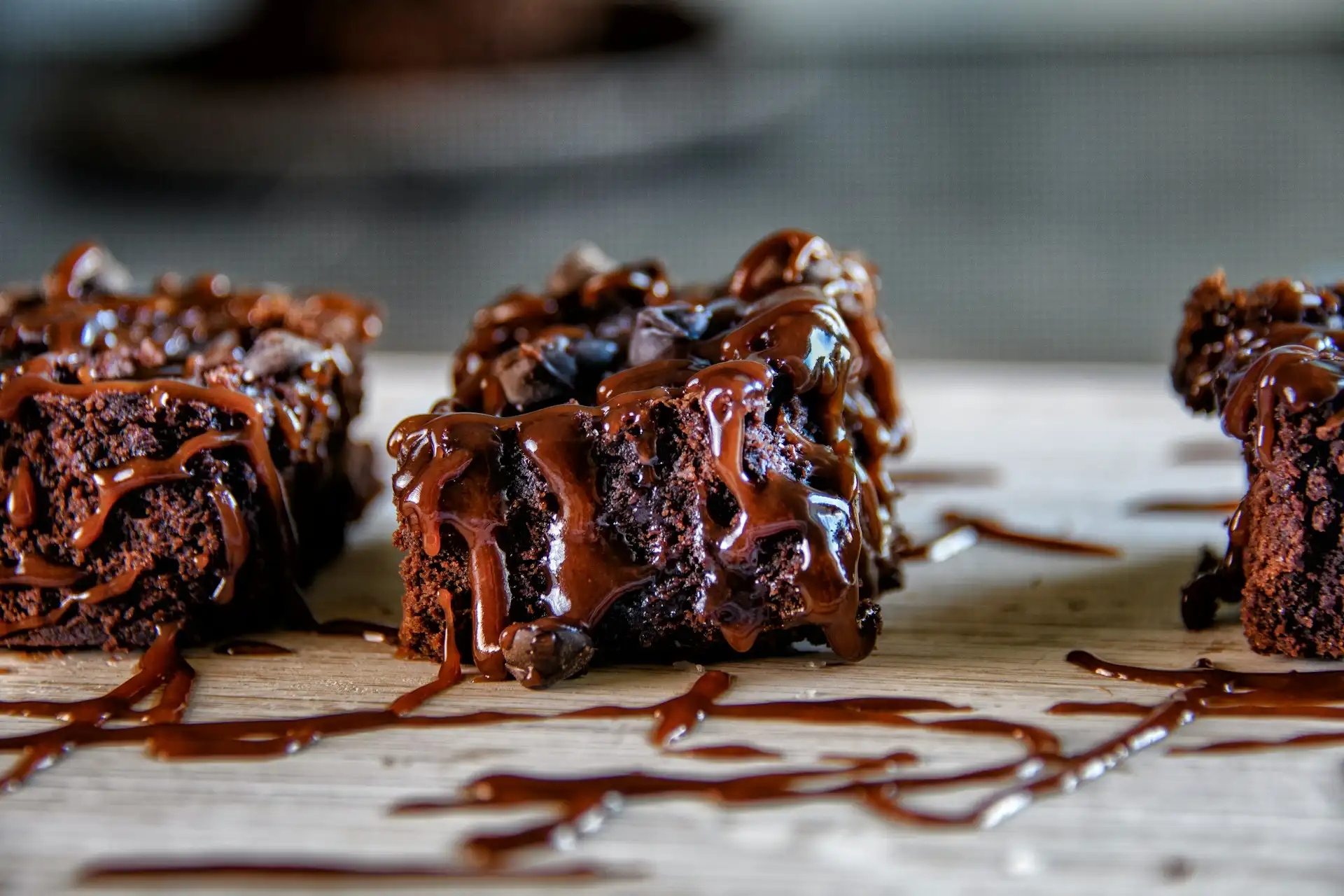
There are few things in life as disappointing as pulling a tray of brownies out of the oven. You have waited twenty, maybe thirty minutes. The smell of rich chocolate has filled your kitchen. You are ready for that fudgy, square of happiness. But then, you look closer.
Instead of a shiny, crackly top, you see a pool of liquid fat. You touch the top, and your finger comes away greasy. You cut a square, and the oil just seeps out. It is a tragedy. It is a mess. But do not worry. Do not throw that pan away. You can fix this.
We have all been there. Baking is a science, but sometimes the chemistry goes wrong. Maybe you measured wrong. Maybe your oven is tricky. Maybe the recipe was just off. But the good news is that an oily brownie is not a lost cause. It is a challenge.
In this article, we will explore exactly why your brownies turned out greasy. We will look at quick fixes to save the batch right now. We will discuss ways to use those oily brownies in other desserts. Finally, we will look at how to prevent this mistake next time. By the end, you will be a brownie rescue expert.
Part 0: Quick Fix Cheatsheet for Oily Brownies
For the most stubborn brownie batches, transform them instead of trying to “repair” them in place. That approach often saves the dessert better than forcing oily brownies to act like clean, bakery-style bars. Here's a quick fix cheatsheet.
| Problem | Likely cause | Practical fix |
|---|---|---|
| Grease mainly on the top | Fat separated during baking | Cool, blot, chill |
| Brownies taste fine but look oily | Surface oil only | Paper towels, powdered sugar, or frosting |
| Whole batch feels greasy | Too much fat or weak chocolate | Repurpose into another dessert |
| Brownies often come out oily | Oven too hot or mixing issue | Lower oven temp and mix more thoroughly |
Part 1: The Autopsy – Why Are My Brownies Oily?
Before we fix the problem, we have to understand it. Why is there so much oil? Brownies are supposed to be rich, but they shouldn’t be slick.
The Butter to Flour Ratio
The most common culprit is the ratio of fat to flour. Think of flour as a sponge. It is there to soak up the butter, oil, and eggs. If you add too much fat, or not enough flour, the sponge gets full. The excess fat has nowhere to go. It leaks out.
According to baking experts at Serious Eats, the balance of liquid to dry ingredients is critical in brownies. If you accidentally used a tablespoon instead of a teaspoon of oil, or if you packed your flour too tightly, you upset this balance.
The Type of Chocolate
The quality of chocolate matters. Cheap chocolate often has a lower cocoa butter content and more vegetable oil. When you melt this down, it separates easily. High-quality chocolate has a stable structure, but it is also very high in fat. If you use a mix of butter and a lot of chocolate, the total fat content might be too high for the amount of flour you used.
The Cooling Process
Sometimes, the brownies are not actually “broken.” They are just too hot. When brownies come out of the oven, the structure is very loose. The fat is liquid. As they cool, the starches in the flour set and trap the fat. If you cut them while they are warm, the fat will run out. Patience is a part of baking. As Food Network suggests, letting brownies cool completely is essential for the texture to firm up.
Essential guide: learn how to store brownies for lasting freshness
Over-Mixing
This is less about oil and more about texture, but it matters. If you mix your eggs and sugar too much, you add air bubbles. This can cause the brownie to rise and then fall, creating a dense, sometimes greasy layer at the bottom.
Part 2: Emergency Room – Immediate Fixes
Okay, the brownies are out of the oven. They are oily. What do you do right now? Here are the tactics to save the batch.
The Paper Towel Blot
This is the simplest and most effective way to remove surface oil. It is not elegant, but it works.
- Wait for the brownies to cool slightly. They should be warm but not piping hot.
- Take a clean, high-quality paper towel. You don’t want bits of paper sticking to your dessert.
- Gently lay the paper towel over the top of the brownies.
- Press down very lightly. Do not smash the brownies. Just let the towel touch the surface.
- Peel it back. You will see the oil absorbed into the paper.
- Repeat with fresh paper towels until they come away clean.
This removes the excess grease sitting on top. It won’t fix the internal texture completely, but it makes them much more pleasant to eat.
The Fridge Method
Heat makes oil liquid. Cold makes oil solid. This is physics. If your brownies are swimming in grease, put the whole pan in the refrigerator.
Let them chill for at least two hours, or preferably overnight. The cold will cause the excess butter and oil to solidify. The brownies will firm up. The “greasy” feeling will often disappear because the fat is now solid inside the crumb. It will feel like a dense, fudgy texture rather than a wet, oily one.
The “Bread” Trick
This is an old grandmother’s trick. If you have a container of cookies or brownies that are too moist or oily, put a slice of white bread in the container with them. Seal it tight.
The bread acts like a sponge. It will absorb the excess moisture and oil from the brownies overnight. By the next day, the bread might be hard or soggy, but your brownies will be perfect. Just throw the bread slice away before serving.
Re-Baking (The Risky Move)
Sometimes, brownies are oily because they are actually underbaked. The structure hasn’t set, so the fat is pooling. If the center seems jiggly and wet, you can try putting them back in the oven.
Set your oven to 300°F (150°C). Bake them for another 10 to 15 minutes. Check them frequently. You want the center to set just slightly. Be careful not to dry them out. This helps the flour cook through and absorb the liquid.
Part 3: The Transformation – Repurposing Oily Brownies
If you have tried the fixes above and they are still too greasy to eat as a plain square, change the game. Stop trying to fix the brownies. Turn them into something else. Oily brownies are often just very rich, fudgy cake bases. They are perfect for other desserts.
Brownie Truffles (Cake Balls)
If the brownie is too oily to hold a square shape, mash it up. This is actually the best way to handle them. The excess fat will help the balls hold together.
- Crumble the cooled brownies into a large bowl.
- Mash them with a fork until they are fine crumbs.
- Add a scoop of frosting (cream cheese or chocolate) or a spoonful of peanut butter. Mix until you have a dough-like consistency. The oil helps bind this without needing too much frosting.
- Roll the mixture into small balls.
- Chill them in the fridge for an hour.
- Dip them in melted white or dark chocolate.
- Let them set.
Now, you have elegant truffles. No one will know they started as a disaster.
Brownie Parfait
A parfait uses layers. The richness of oily brownies works well when contrasted with something cold and light.
- Cut the oily brownies into small cubes.
- Get some clear glasses.
- Place a layer of brownie cubes at the bottom.
- Add a layer of vanilla yogurt, whipped cream, or pudding.
- Add a layer of fresh berries (strawberries or raspberries cut the fat).
- Repeat the layers.
The cream and fruit will balance out the heaviness of the oil. It looks fancy and tastes delicious.
The Brownie Milkshake
This is the easiest fix. Liquid fat blends perfectly into a milkshake.
- Take your oily brownie cubes.
- Put them in a blender.
- Add a few scoops of vanilla ice cream.
- Pour in a splash of milk.
- Blend until smooth.
The result is an ultra-chocolatey, thick milkshake. The oil just adds to the creamy mouthfeel. You cannot fail with this.
Brownie Crust
Did you know you can make a cheesecake crust out of brownies? It is better than graham crackers.
- Blitz the oily brownies in a food processor.
- Mix the crumbs with a little melted butter (if they aren’t oily enough already) or just a pinch of sugar.
- Press the mixture into the bottom of a pie pan or springform pan.
- Bake at 350°F (175°C) for 10 minutes to set.
- Fill with your favorite cheesecake or pie filling.
The high fat content in the brownie crumbs makes a very sturdy, rich crust that holds up well to heavy fillings.
Part 4: The Science of Prevention – Baking Better Next Time
Now that we have saved this batch, let’s make sure the next one is perfect. Preventing oily brownies comes down to technique and measurement.
Weigh Your Ingredients
This is the number one rule for better baking. Cups are inaccurate. One person packs a cup of flour; another scoops it loosely. The difference can be ounces. This changes the fat-to-flour ratio drastically.
Invest in a digital kitchen scale. When a recipe calls for 100 grams of flour, weigh it. When it calls for 115 grams of butter, weigh it. Baking is chemistry. Chemistry requires precision. The King Arthur Baking Company is a strong advocate for weighing ingredients for consistent results.
Understand Your Leavening
Brownies generally do not need much leavening. Baking powder or baking soda creates air pockets. If you have too much air, the structure is weak. The fat leaks out of the weak structure. Most fudgy brownie recipes use zero leavening. Cakey brownies use a little. Stick to the recipe.
Don’t Overheat the Chocolate
If you are melting chocolate and butter together, do it gently. Use a double boiler or 20-second bursts in the microwave. If chocolate gets too hot, the cocoa butter separates from the solids. This is called “seizing.” It can look like oil separation. Melt slowly and stir often to keep the mixture emulsified.
Room Temperature Ingredients
This is a classic tip, but it is true. Use eggs and butter that are at room temperature. Cold eggs can cause the hot butter to solidify into small droplets. This prevents a smooth emulsion. If the fat isn’t mixed evenly into the batter, it will pool during baking. Take everything out of the fridge an hour before you start.
The Pan Matters
Dark metal pans absorb heat faster than glass or light metal pans. If your oven runs hot, or if you use a dark pan, the edges of the brownie can burn or overcook before the center is done. This causes the structural proteins to break down, releasing oil. Try using a lighter colored pan or lowering the oven temperature by 25 degrees.
Part 5: A Note on “Fudgy” vs. “Oily”
It is important to know the difference. A fudgy brownie is dense and moist. An oily brownie leaves a slick residue on your plate.
If you bite into a brownie and it tastes like pure butter, it is oily. If you bite into it and it tastes like dense chocolate, it is fudgy. Do not confuse the two. If you try to “fix” a fudgy brownie by adding more flour, you will ruin it and make it dry. Embrace the fudge. Fix only the grease.
Need more tips? read our extensive brownie troubleshooting guide.
Conclusion
Baking is a journey. It is rarely a straight line from mixing bowl to perfection. We all make mistakes. We all misread a recipe or get distracted by a phone call. The oily brownie is a rite of passage. It teaches you to respect the ingredients.
Whether you blotted them with a towel, chilled them in the fridge, or turned them into a decadent milkshake, you solved the problem. You didn’t waste food. You used your creativity to save a sweet treat.
However, we understand that sometimes you just don’t want to risk it. Sometimes you want a guarantee. You want the perfect texture, the shiny crackle top, and the rich fudgy center without the math and the science. You want to relax and just enjoy the chocolate.
That is where we come in.
If you are craving the best brownies in Calicut, Kerala, or anywhere in India, look no further. At Nannu’s Bakester Company, we have done the experimenting for you. We have mastered the balance of flour, butter, and chocolate. We bake with love and precision to ensure that every square is perfect—never too oily, always delicious.
Why deal with the cleanup and the guesswork? Let us handle the baking. You handle the eating. Visit Nannus.in today to order premium brownies online. We deliver the happiness right to your door. From Calicut to your kitchen, we bring the bake.

Ideal Oven Temperature for Brownies (Celsius & Fahrenheit Guide)
Find the ideal oven temperature for brownies in Celsius and Fahrenheit. Learn the best baking temps for fudgy, chewy, or cakey brownies with easy tips for perfect results every time.
Read article →How to Store Brownies for Lasting Freshness
Learn the best ways to store brownies for maximum freshness! Discover room temp, fridge, and freezer methods to keep your fudgy treats delicious for longer.
Read article →What and Where to Eat in Kozhikode (A Complete Food Guide for 2026)
Discover Kozhikode’s best food—from Malabar biryani and seafood to halwa, street food, and dessert cafés. A complete guide on what and where to eat.
Read article →