How to Store Chocolate Tart in the Fridge
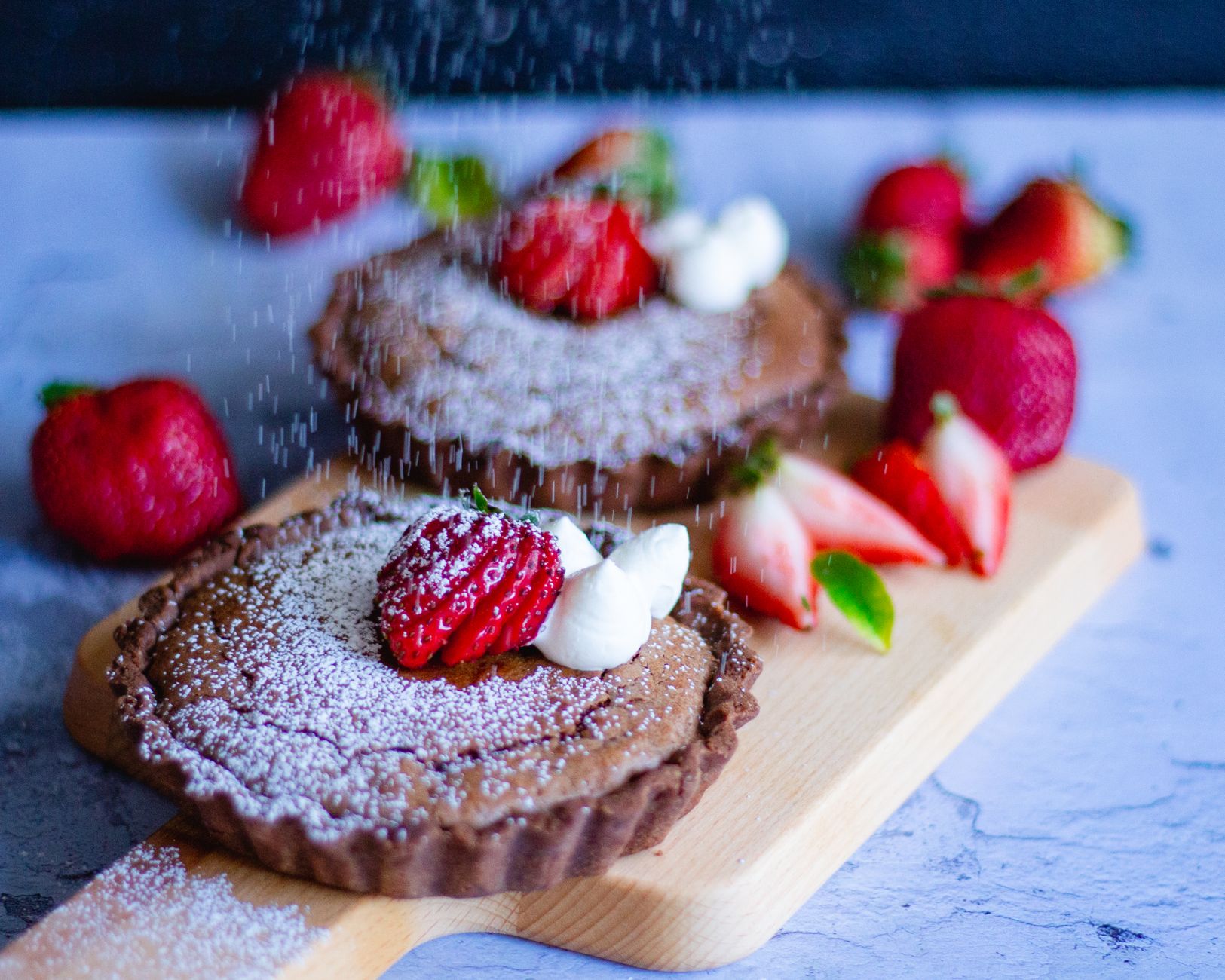
Oh, the glorious chocolate tart! That moment of pure bliss when you slice into its rich, decadent filling, the glossy ganache shimmering under the light. But then comes the inevitable question: how do you keep that masterpiece tasting as divine as it did when freshly baked? Especially when you've made a whole tart, or perhaps you've indulged in a delightful dessert box with brownies and cookies, and you're wondering about the best way to preserve your precious treats.
Storing a chocolate tart, especially one that's as exquisitely crafted as the ones from Nannu's Bakester Company, is an art form in itself. It’s about preserving that perfect crumbly crust, that silken smooth filling, and that intense chocolatey aroma. Forget the days of haphazardly shoving leftovers into the fridge, only to find a sad, soggy crust later. We're about to dive deep into the delightful details of keeping your chocolate tart (and other goodies!) in tip-top shape. Whether you're a seasoned baker or someone who simply appreciates a good dessert, this guide is your new best friend. Let's get preserving!
The Art of Chocolate Tart Preservation: Why Fridge Storage is Key
Chocolate, in its many forms, is a delicate ingredient. When it’s part of a beautifully constructed chocolate tart, it’s even more so. The crust, often a buttery shortcrust or a crumbly biscuit base, can become soft and lose its delightful crunch if not stored properly. The filling, whether it's a rich ganache, a creamy custard, or a dense, fudgy layer, can also be affected by temperature and humidity.
Refrigeration is generally the go-to method for storing most chocolate tarts. Why? Because it slows down the processes that can lead to spoilage and textural degradation. Think of it as a delicious spa treatment for your tart, keeping it cool, calm, and collected. For those who appreciate the finer things, like a perfectly baked chocolate tart for a birthday in Kozhikode, understanding these storage nuances is crucial. It ensures that every slice, even days later, still delivers that 'wow' factor.
Understanding Your Chocolate Tart: What's Inside Matters
The best storage method can depend slightly on the specific ingredients and construction of your chocolate tart. Let's break down the common components and how they fare in the fridge:
- The Crust:
- Shortcrust Pastry: This is typically made with flour, butter, and water. When baked, it becomes crisp and flaky. Refrigeration helps maintain its structure, but prolonged exposure to moisture can still lead to softening.
- Biscuit/Cookie Crust: Often made from crushed cookies (like digestive biscuits or even crushed brownies!), butter, and sometimes sugar. This type of crust can be quite sturdy but is also susceptible to becoming soggy if exposed to too much moisture.
- The Filling:
- Chocolate Ganache: A simple mixture of chocolate and cream, ganache sets beautifully when chilled. It becomes firmer and intensely rich in the fridge, which is exactly what we want.
- Chocolate Custard/Pastry Cream: These fillings contain eggs and dairy, making refrigeration essential for food safety and to prevent them from becoming overly runny.
- Fudgy/Brownie Layer: If your tart has a dense, fudgy layer, similar to what you might find in what is a brownie, refrigeration will firm it up. This can be a delightful texture for some, but others might prefer it at room temperature.
- Fruit or Other Additions: If your tart includes fresh fruit or other perishable ingredients, refrigeration is non-negotiable.
The Golden Rules of Fridge Storage for Chocolate Tarts
Now that we understand the components, let's get down to the nitty-gritty of how to actually store your tart. These principles are universally applicable, whether you're storing a single slice or a whole creation from Nannu's Bakester Company.
1. Let it Cool Completely (The Patience Game)
This is perhaps the most crucial first step. Never, ever put a warm or even slightly lukewarm tart into the refrigerator. Why? Condensation! The warm tart will release moisture, and when it hits the cold air of the fridge, it creates condensation. This moisture is the arch-nemesis of a crisp tart crust. It will seep into the pastry, making it soggy and unappealing.
- How to do it: Allow your tart to cool on a wire rack at room temperature for at least 2-3 hours, or until it’s completely cool to the touch. For larger or denser tarts, this might take longer. You can gently touch the sides or bottom of the tart tin (if it's safe to do so without disturbing the tart) to gauge its temperature.
2. Cover It Up (The Protection Shield)
Once your tart is completely cool, it’s time to protect it from the harsh realities of fridge life: drying out and absorbing unwanted odors. The fridge is a bustling environment, and your tart doesn’t want to smell like last night’s curry or have its delicate chocolate flavor dulled by stale air.
- Airtight is Key: The best way to cover a chocolate tart is to ensure it’s in an airtight container. This prevents moisture loss (drying out) and moisture gain (sogginess). It also acts as a barrier against other food smells.
- If You Don't Have a Container: You can use plastic wrap or aluminum foil. However, be mindful of how you apply it. Press the plastic wrap gently against the surface of the tart to create a seal, then wrap the entire tart loosely. For foil, ensure it’s wrapped snugly around the tart tin or dish.
- Consider the Tart Pan: If your tart is still in its original tart pan, you might be able to find a lid that fits. Alternatively, you can carefully place a larger cake or pie carrier over it.
3. The Right Spot in the Fridge (Strategic Placement)
Not all fridge real estate is created equal. Some spots are colder, some are more humid, and some are prone to vibrations. For your precious chocolate tart, aim for consistency and moderate temperature.
- Avoid the Coldest Spots: Usually, the back of the fridge and the door shelves are the most temperature-fluctuating zones. The back can be too cold, potentially freezing parts of your tart, while the door experiences constant opening and closing.
- The Middle Shelf is Your Friend: Generally, the middle shelves offer the most stable temperature. This is ideal for maintaining the tart’s texture without risking it becoming too hard or too soft.
- Keep it Level: Ensure the tart is stored on a level surface to prevent the filling from shifting or sliding, especially if it’s a softer ganache.
4. How Long Can It Stay? (The Shelf Life Guide)
This is where things can vary slightly depending on your tart’s ingredients, but here’s a general guideline for how long a properly stored chocolate tart will remain delicious:
- Most Chocolate Tarts (Ganache-based): Typically, these will last for 3-5 days in the refrigerator when stored correctly in an airtight container.
- Tarts with Dairy/Eggs (Custard-based): Due to the perishable nature of eggs and dairy, these might have a slightly shorter shelf life. Aim to consume them within 2-3 days for optimal freshness and safety.
- Tarts with Fresh Fruit: Fresh fruit can degrade over time, even when chilled. It’s best to consume these within 1-2 days.
Remember, these are guidelines. Always use your senses! If the tart looks off, smells strange, or the texture seems compromised, it’s best to err on the side of caution.
Beyond the Tart: Storing Other Nannu's Bakester Delights
While our focus is on chocolate tarts, it's worth mentioning that the principles of proper storage extend to other delectable treats. If you've ordered a dessert box from Nannu's Bakester Company that includes brownies and cookies, here’s a quick rundown:
- Brownies: Fudgy brownies are best stored at room temperature in an airtight container for up to 3 days. If it’s very warm where you are, or if your brownies contain perishable ingredients, the fridge is an option, but they can become quite dense. Let them come to room temperature before enjoying.
- Cookies: Soft and chewy cookies are often best at room temperature, stored in an airtight container. They can last for 3-4 days. Crisp cookies should also be stored at room temperature in an airtight container to maintain their crunch. Refrigeration can make cookies tough.
This holistic approach ensures that every item in your dessert box, from the fudgy goodness of what is a brownie to the delicate crumb of a chocolate tart, is enjoyed at its peak.
Reviving Your Tart: Bringing it Back to Deliciousness
Sometimes, even with the best storage, a chilled tart can feel a little too firm or its flavors might seem a bit muted.
- The 30-Minute Rule: For most chocolate tarts, especially those with a ganache filling, letting them sit at room temperature for about 30 minutes before serving can make a world of difference. This allows the filling to soften slightly and the chocolate flavors to open up.
- Gentle Warming (Use with Caution): For very dense or fudgy tarts, you might consider very gentle warming. A few seconds in a microwave on a low setting, or placing the slice in a barely warm oven for a minute or two, can sometimes revive the texture. However, be extremely careful not to overheat, as this can melt the chocolate filling into a greasy mess.
- Crust Concerns: If the crust has softened slightly, serving it with a dollop of fresh cream or a scoop of ice cream can be a delightful way to enjoy it, masking any minor textural imperfections.
Common Mistakes to Avoid
Let’s quickly recap the pitfalls to sidestep:
- Refrigerating a warm tart: The number one cause of soggy bottoms!
- Not covering the tart: Leads to drying out and absorbing fridge smells.
- Storing in an unstable temperature zone: Causes texture issues.
- Leaving it out too long: Food safety is paramount, especially for tarts with dairy or eggs.
- Microwaving for too long: Can ruin the texture of the filling.
When to Consider Room Temperature Storage
While refrigeration is generally recommended for most chocolate tarts, there are exceptions:
- Tarts with Minimal Perishables: If a tart has a very stable ganache filling and a sturdy crust, and you plan to eat it within a day or two, you might get away with room temperature storage, especially in a cool environment. However, this is generally riskier and not recommended for longer storage.
- Serving Time: For immediate consumption, bringing a chilled tart to room temperature for 20-30 minutes is often the best way to appreciate its full flavor and texture.
Creative Ways to Enjoy Leftover Tart
Got a slice or two left and want to give it a new life? Think beyond just eating it as is!
- Tart Crumble Parfait: Crumble up any leftover crust or filling and layer it with whipped cream, fresh berries, or even a spoonful of yogurt in a glass. It's like a deconstructed tart dessert!
- Ice Cream Topping: Chop up a slice of tart and use it as a decadent topping for vanilla or chocolate ice cream. It’s a quick way to elevate a simple scoop.
- In a Smoothie: For the adventurous, a small piece of chocolate tart can add incredible richness to a chocolate or berry smoothie. Blend well!
Frequently Asked Questions
What is a brownie?
A brownie is a baked chocolate confection, typically square or rectangular in shape. It can range in texture from fudgy and dense to cake-like. The defining characteristic is its rich chocolate flavor, often enhanced with ingredients like chocolate chips, nuts, or cocoa powder.
Can I freeze a chocolate tart?
Freezing a chocolate tart is possible, but it can significantly affect the texture of the crust, making it potentially soggy upon thawing. If you must freeze it, wrap it very tightly in multiple layers of plastic wrap and then in aluminum foil. Thaw it slowly in the refrigerator overnight before bringing it to room temperature to serve.
How do I know if my chocolate tart has gone bad?
Look for signs of mold, an off-putting sour smell, or a slimy texture. If any of these are present, it's best to discard the tart. When in doubt, trust your senses.
Can I leave a chocolate tart out overnight?
It's generally not recommended to leave a chocolate tart out overnight, especially if it contains dairy, eggs, or fresh fruit. These ingredients can spoil at room temperature, posing a food safety risk. For tarts with stable ganache, it might be okay in a very cool environment for a few hours, but refrigeration is always the safer bet for extended periods.
How can I reheat a slice of chocolate tart?
To reheat a slice, the best method is gentle warming. You can place it in a low oven (around 150°C/300°F) for a few minutes, or use a microwave on the lowest power setting for very short bursts (10-15 seconds), checking frequently. The goal is to slightly soften the filling, not to cook it further.
Are brownies and cookies good for dessert box ideas with brownies and cookies?
Absolutely! Brownies and cookies are classic and beloved choices for dessert boxes. Their diverse textures and flavors complement each other beautifully, offering a delightful variety for recipients. They are also sturdy enough to travel well.
Conclusion
Mastering the art of storing your chocolate tart is all about understanding its delicate nature and applying a few simple, yet effective, preservation techniques. From ensuring it’s completely cool before covering to choosing the right spot in the fridge, each step plays a vital role in maintaining that perfect texture and delightful flavor. By following these guidelines, you can savor every last bite of your decadent creation, ensuring it remains a treat to remember. Remember, a little patience and care in storage can go a long way in preserving that moment of pure dessert joy.
At Nannu's Bakester Company, we pour our hearts into crafting every single treat, from our rich, fudgy brownies to our buttery, delicate tarts and perfectly baked cookies. We understand that once our creations leave our kitchen, you want to enjoy them at their absolute best, for as long as possible. That's why we believe in sharing the knowledge to keep your bakes as delightful as the day you received them. Whether you're looking for ideas for a delightful dessert box ideas with brownies and cookies or perhaps seeking the perfect chocolate tart for birthday in Kozhikode, we're here to make your moments sweeter. Explore our handcrafted delights and experience the Nannu's Bakester Company difference.

Ideal Oven Temperature for Brownies (Celsius & Fahrenheit Guide)
Find the ideal oven temperature for brownies in Celsius and Fahrenheit. Learn the best baking temps for fudgy, chewy, or cakey brownies with easy tips for perfect results every time.
Read article →What's the Best Way to Reheat Brownies for Ultimate Flavor?
Discover the best ways to reheat brownies for ultimate flavor! Learn microwave, oven, and stovetop tricks to revive your fudgy treats and avoid dry disappointments.
Read article →How to Fix Oily Brownies After Baking
Discover how to fix oily brownies after baking with simple tricks like blotting, chilling, and creative repurposing so your batch still tastes great.
Read article →