The Ultimate Chocolate Tart Troubleshooting Guide (500 Fixes)
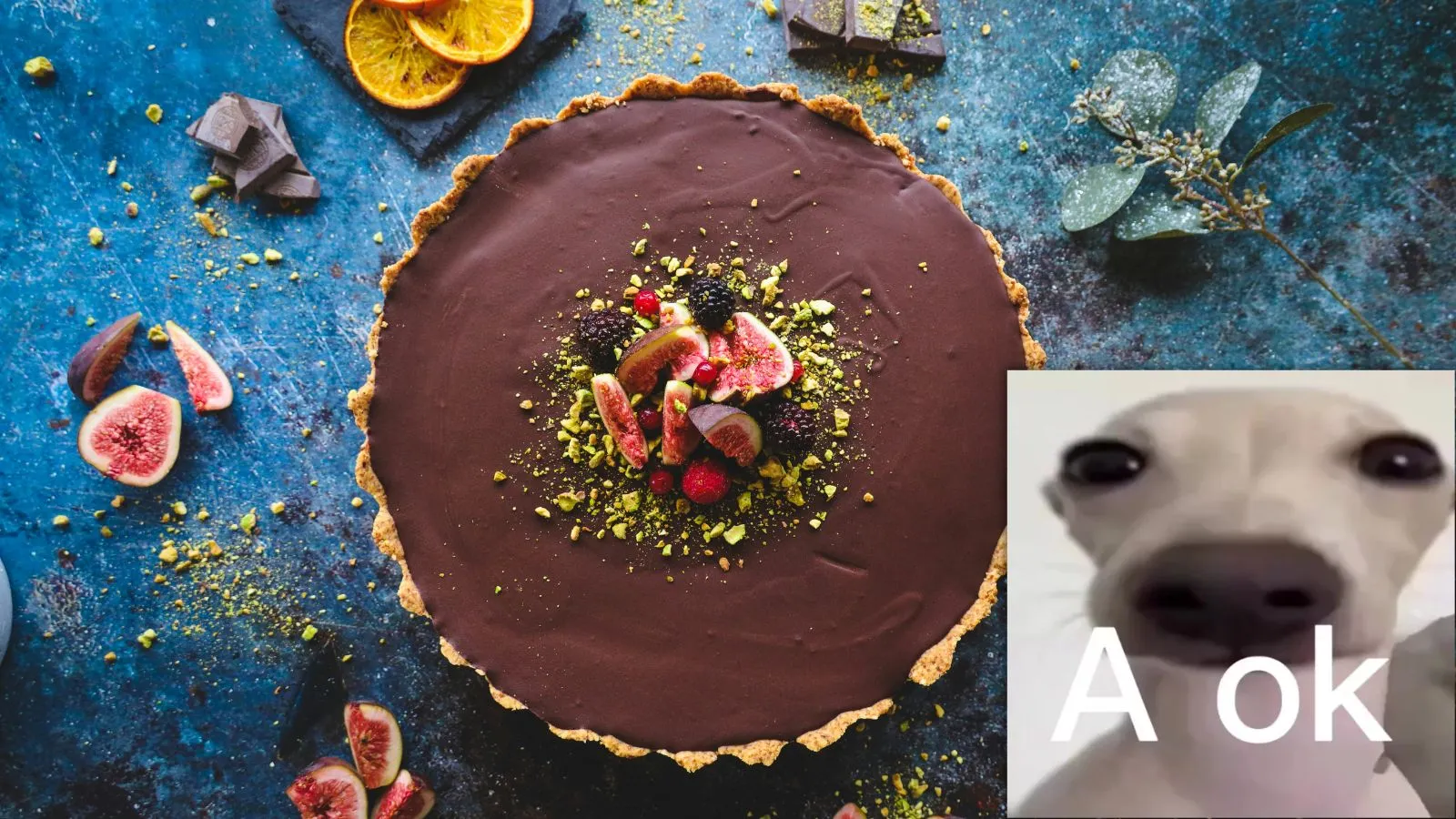
Chocolate tarts look deceptively simple: a crisp shell, a silky chocolate filling, maybe a few berries on top. Yet in practice they are one of the most failure-prone desserts—crusts go soggy, ganache splits or refuses to set, and beautiful glossy tops crack in the fridge. This Q&A-style guide is built from 500 real-world troubleshooting questions ("why is…", "how do I fix…", "when should I…") so you can diagnose problems exactly the way frustrated bakers actually search for answers.
Questions are grouped by symptom—crust issues, ganache problems, baking errors, flavor and texture, storage, environment, and decorations. For each question, there is a concise, practical answer that points to likely causes and concrete fixes, based on professional pastry techniques for blind baking, ganache emulsions, and tart handling. Use it as a diagnostic reference: find the question that matches your problem, try the fix, and make a note of what worked in your own kitchen.
1. Soggy, pale, or shrinking tart crust
1.1 Soggy or underbaked crust
Q1. Why is my chocolate tart crust soggy on the bottom?
A. The crust is usually under-baked, not blind-baked long enough, or soaked by a very wet filling before it has time to crisp. Fully blind bake on a preheated tray until deep golden, and consider sealing the base with egg wash or a thin layer of melted chocolate before filling.
Q2. How do I fix a soggy bottom on my chocolate tart?
A. Once soggy, you can only improve it slightly by reheating the empty shell or nearly-finished tart briefly on a hot baking sheet; the real fix is prevention via proper blind baking, sealing, and avoiding extremely wet fillings or long storage.
Q3. Why does my chocolate tart crust stay pale and soft even after baking?
A. The oven is often too cool, the shell was underbaked, or the pan material is slowing browning. Use an oven thermometer, bake longer at the correct temperature, and leave the shell in until it is visibly golden rather than just going by time.
Q4. When should I blind bake the crust for a chocolate tart?
A. Blind bake whenever the filling is no-bake (straight ganache) or very quick-bake; partially blind bake for custard fillings that bake with the shell so the base cooks through without overbrowning the top.
Q5. How long should I blind bake a tart shell before adding chocolate filling?
A. For most sweet tart shells, bake with weights until set and just starting to color, then a few more minutes without weights until fully golden—often 15–25 minutes total depending on oven and pan.
Q6. Why does my tart crust still taste raw under the chocolate filling?
A. The shell was pulled too early or only partially baked for a no-bake filling. Next time, bake the crust fully until the center is golden and feels dry to the touch before adding ganache.
Q7. How do I know if my blind-baked tart shell is fully cooked?
A. The base should be evenly golden with no visibly wet or translucent patches, and it should feel firm and sandy, not doughy, when lightly pressed after cooling a minute.
Q8. Why does my tart crust get soggy after I add the chocolate ganache?
A. Warm, fluid ganache soaks into a porous crust, especially if the shell is underbaked. Bake to a deeper color and brush the base with egg wash, cocoa butter, or melted chocolate to create a moisture barrier before filling.
Q9. How can I keep my chocolate tart crust crisp for longer?
A. Blind bake thoroughly, cool completely, seal the base, avoid very wet components (like juicy fruit) sitting on the crust, and store the tart chilled but not in a condensation-heavy container.
Q10. What’s the best way to prevent a soggy bottom in a chocolate tart?
A. Combine high bottom heat (preheated tray or stone), full blind bake, a barrier layer (egg wash or chocolate), and sensible storage—assembled no more than a day ahead for best texture.
1.2 Shrinking, puffing, cracking, and toughness
Q11. Why did my tart crust shrink away from the sides of the pan?
A. Shrinkage comes from stretching the dough, not resting it, or overworking it. Chill the lined shell well, avoid stretching the dough up the sides, and let gluten relax before baking.
Q12. How do I stop my chocolate tart pastry from shrinking in the oven?
A. Use minimal water, handle the dough gently, chill thoroughly in the pan, dock lightly, and use enough pie weights that come up the sides to support the walls as they set.
Q13. Why does my tart shell lose its shape and slide down during blind baking?
A. The dough was too warm or soft, the pan over-greased, or the weights too low. Freeze the lined shell briefly, grease lightly, and fill with weights right to the top edge.
Q14. Should I chill my tart dough before blind baking, and for how long?
A. Yes—chill at least 30–60 minutes in the pan (or freeze 15–20 minutes) so the fat firms and the dough relaxes, which reduces slumping and shrinkage.
Q15. Why does my tart crust puff up in the middle while blind baking?
A. Insufficient docking or weights let steam build in the base. Dock the bottom evenly with a fork and ensure pie weights fully cover the base during the first stage of baking.
Q16. How do I use pie weights properly for a chocolate tart shell?
A. Line the shell with parchment, fill with weights up to the rim so they press against sides and base, bake until the edges set, then remove weights and continue baking until golden.
Q17. What can I use instead of pie weights when blind baking a tart?
A. Dried beans, rice, sugar, or clean metal baking beads all work; just use enough to fully cover the base and support the sides.
Q18. Is docking the tart crust with a fork necessary, and when should I do it?
A. Yes for many shells; dock after fitting the dough and before chilling to let steam escape, but don’t pierce so deeply that you create leak paths.
Q19. Why does my tart shell crack when I blind bake it?
A. The dough may be too dry, too thin, or overworked. Increase hydration slightly, roll to an even moderate thickness, and patch any visible weak spots with extra dough before baking.
Q20. How can I repair cracks in a tart shell before adding chocolate filling?
A. Press in a little raw dough and re-bake briefly, or brush with egg white and bake a few minutes; for ganache tarts, painting the base with melted chocolate will also seal hairline cracks.
Q21. Why is my tart crust tough and hard instead of tender and crumbly?
A. Overworking the dough, using too much water, or using high-protein flour develops gluten. Switch to pastry or all-purpose flour, mix just until combined, and chill rather than knead.
Q22. How do I avoid overworking tart dough for a chocolate tart?
A. Use gentle mixing, stop as soon as it comes together, and gather it by pressing rather than kneading. A food processor helps, pulsing just until clumps form.
Q23. What kind of flour is best for a tender chocolate tart crust?
A. Pastry flour or a low- to medium-protein all-purpose flour gives tenderness; bread flour is too strong and leads to chewy crusts.
Q24. Why does my tart dough turn elastic and chewy when I roll it out?
A. Too much gluten has formed. Rest the dough in the fridge so gluten relaxes, and avoid adding lots of extra flour or re-rolling scraps many times.
Q25. How much water should I add to tart dough so it doesn’t get tough?
A. Add just enough for the dough to clump when squeezed; it should look shaggy but hold together when pressed, not sticky or wet.
Q26. Why does my tart crust crumble and fall apart when I slice it?
A. The dough may be too short (too much fat), underbaked, or still very warm. Adjust fat slightly, bake fully, chill before cutting, and use a sharp knife.
Q27. How do I stop my chocolate tart shell from breaking when I remove it from the pan?
A. Let it cool completely, support the removable base from below, and avoid twisting; chilling before unmolding can also strengthen the structure.
Q28. Is it better to use butter or margarine for a chocolate tart crust?
A. Butter gives better flavor and a tender, crisp texture; margarine has a higher water content and can lead to tougher or less flavorful crusts.
Q29. Why does my sweet tart dough crack when I try to fit it into the pan?
A. Cold, stiff dough and low hydration cause cracking. Let it soften slightly at room temperature, patch cracks with extra dough, or roll between parchment for easier handling.
Q30. How thick should I roll my tart dough for a chocolate tart?
A. Aim for about 2–3 mm (roughly the thickness of two stacked coins)—thin enough to be delicate, thick enough to support the filling without breaking.
Q31. Why is the edge of my tart shell burning while the bottom is still pale?
A. Edges are exposed to hotter air. Shield them with foil once golden, bake on a lower rack, and use a preheated tray to boost bottom heat.
Q32. How do I stop the rim of my tart from overbrowning?
A. Tent the rim with foil or a pie shield partway through baking and move the tart slightly lower in the oven to reduce direct top heat.
Q33. Should I cover the edges of my tart crust with foil while baking?
A. Yes if the edges brown much faster than the base; cover once they reach the color you want so the rest can catch up.
Q34. Why is the bottom of my chocolate tart crust burned?
A. The tart may be too close to the bottom element, the pan might be very dark, or the oven too hot. Move to a higher rack, use a lighter pan, or lower the temperature slightly.
Q35. Is my oven too hot if my tart shell browns too quickly?
A. Possibly—confirm with an oven thermometer and adjust by 10–20 °C if needed; over-hot ovens brown outside before the interior cooks.
Q36. How do I adjust baking temperature and time for my tart crust?
A. If edges burn and center is pale, lower the temperature and bake longer; if everything is pale and soft, increase temperature slightly or bake on a hotter surface.
Q37. Should I bake my tart on a baking sheet or directly on the oven rack?
A. A preheated metal sheet or stone under the tart improves bottom browning and reduces sogginess; direct rack baking is riskier with leak-prone pans.
Q38. Does a dark metal tart pan make the crust bake faster?
A. Yes, dark pans absorb more heat, browning faster; reduce temperature by about 10–15 °C or reduce baking time slightly.
Q39. How can I tell if uneven oven heat is ruining my tart shells?
A. If one side consistently browns more, you likely have hot spots. Rotate pans halfway through baking and avoid placing tarts near side or back walls.
Q40. Is convection better or worse for baking a chocolate tart crust?
A. Convection browns faster; it can be great if you reduce the temperature by about 20 °C and watch carefully, but it may overbrown edges in some ovens.
2. Ganache that is runny, hard, split, or seized
2.1 Too runny or too firm
Q41. Why is my chocolate ganache filling too runny to slice?
A. The chocolate-to-cream ratio is too low in chocolate, or you added extra liquid like liqueur. Increase the chocolate proportion and chill fully for a firm, sliceable set.
Q42. What is the best chocolate-to-cream ratio for a firm tart ganache?
A. For dark chocolate, many pastry chefs use around 2:1 chocolate to cream by weight for a firm tart filling, slightly less for a softer, truffle-like texture.
Q43. How do I fix a chocolate tart filling that’s too soft?
A. Gently remelt the ganache, whisk in more finely chopped chocolate, then cool and re-set; you can also chill the tart longer, but ratio changes give the biggest improvement.
Q44. Why doesn’t my ganache set in the tart even after chilling overnight?
A. Too much liquid, low cocoa-percentage chocolate, or high room temperature can keep it semi-fluid. Use higher-percentage chocolate and reduce added liquids like milk or alcohol.
Q45. Can I re-melt and adjust a runny ganache filling in a tart?
A. Yes—carefully warm the filling until fluid, scrape into a bowl, add more chocolate, emulsify, then return to a fully cooled tart shell.
Q46. Why does my ganache look set on top but is still liquid underneath?
A. The surface cools first, forming a skin while the interior stays warm. Chill longer so the entire layer reaches fridge temperature before slicing.
Q47. How long should I chill a chocolate tart before slicing?
A. Typically at least 2–4 hours, or until the center feels cool and firm to the touch; overnight chilling gives the most reliable set.
Q48. Should I leave a chocolate ganache tart at room temperature or in the fridge?
A. Chill to set, then you can hold it chilled or let it sit briefly at cool room temperature before serving. Long, warm storage risks a too-soft filling and food safety issues.
Q49. What can I add if my ganache is too loose for a tart?
A. Add more chocolate, or a little cocoa butter or finely chopped couverture, then emulsify and cool. Avoid adding more liquid.
Q50. Does using milk chocolate instead of dark make my tart filling softer?
A. Yes, milk chocolate has more sugar and milk solids and less cocoa solids, so you usually need a higher chocolate-to-cream ratio to get the same firmness.
Q51. Why is my ganache filling rock hard and difficult to cut?
A. Too much chocolate or very high-cocoa dark chocolate makes a firm, almost candy-like set. Increase cream, include some milk chocolate, or let it sit at room temperature longer before serving.
Q52. How can I soften a chocolate tart ganache that came out too firm?
A. Let it warm slightly at room temperature, or next time use more cream or a blend of dark and milk chocolate; you can also re-melt, adjust with cream, and re-pour.
Q53. Which chocolate percentage is best for a smooth, sliceable tart filling?
A. Many recipes target 55–70% dark chocolate for a classic tart; beyond 70%, you may need more cream to maintain smooth texture.
Q54. Why does my ganache crack when I slice the tart?
A. Very firm, cold ganache or a dull knife causes cracking. Warm a sharp knife in hot water, wipe dry, and let the tart stand a few minutes out of the fridge before cutting.
Q55. How long should I leave a chilled chocolate tart out before serving for best texture?
A. About 20–30 minutes in a cool room is enough for many ganache tarts to become silky and slice cleanly without melting.
Q56. Can I add more cream to already set ganache to soften it?
A. Yes—gently reheat the ganache, add warm cream, and emulsify thoroughly; you’ll need to pour it into a shell again and let it reset.
Q57. Why is my white chocolate tart filling softer than my dark chocolate one?
A. White chocolate contains no cocoa solids and more sugar and fat, so it sets softer. Use a much higher white chocolate-to-cream ratio or add a little gelatin if needed.
Q58. How do I adjust cream ratios for different types of chocolate in a tart?
A. Use less cream for white and milk chocolate (they are softer) and more cream for very dark chocolate. Always test a small batch to confirm texture.
Q59. Is adding butter to ganache good for tart fillings?
A. A little butter can add shine and richness, but too much makes the filling firm and greasy when cold. Use modest amounts and emulsify well.
Q60. Why does my refrigerated ganache tart feel too dense and heavy?
A. Very high chocolate and fat content plus cold temperature gives a dense mouthfeel. Soften by reducing butter, adding a bit more cream, and serving slightly warmer.
2.2 Split, greasy, or seized ganache
Q61. Why did my ganache split and turn greasy on my chocolate tart?
A. Overheating, poor emulsification, or extreme chocolate-to-liquid ratios cause the fat to separate. The surface looks oily and the texture grainy.
Q62. How do I fix split chocolate ganache already poured into a tart shell?
A. Carefully scoop it back into a bowl, gently warm, then blend with a stick blender while adding a bit of warm cream until it re-emulsifies, and re-pour into a clean shell.
Q63. What causes chocolate ganache to separate into oily and grainy parts?
A. Large temperature differences, boiling cream, using very cold ingredients, or over-stirring can destabilize the emulsion so cocoa butter pools out.
Q64. Did I overheat my cream or chocolate if my ganache broke?
A. Very likely—cream should be just below boiling, and chocolate should never scorch. Excess heat damages the emulsion and can cause splitting.
Q65. How can I re-emulsify broken ganache for a tart?
A. Add a small amount of warm liquid (cream, milk, or even water), then use a stick blender to shear and re-emulsify until smooth and glossy again.
Q66. Can I save a separated ganache by adding more cream or milk?
A. Yes, as long as you do it gradually and warm, blending vigorously; adding too much at once can make it thin or re-split.
Q67. Why does my ganache look curdled instead of smooth on my tart?
A. Tiny fat droplets have clumped; this is another form of split ganache. Gentle reheating and blending with a bit more warm liquid can usually smooth it.
Q68. What’s the best way to stir ganache so it doesn’t split?
A. Start from the center and stir in small circles to create a glossy core, gradually incorporating more liquid, and avoid aggressive whisking that traps air.
Q69. Does high cocoa percentage chocolate make ganache more likely to crack or break?
A. Yes, higher cocoa solids mean more fat and less sugar, which can make ganache more prone to splitting and cracking if ratios and handling are not adjusted.
Q70. How do I use a stick blender to fix a broken ganache?
A. Warm the ganache gently, insert the blender fully to avoid air, then blend from the center out while adding a little warm cream until the mixture becomes glossy and smooth again.
Q71. Why did my chocolate seize and turn into a thick paste when making ganache?
A. Small amounts of water hitting melted chocolate cause it to seize into a stiff paste; condensation or steam from a bain-marie is a common culprit.
Q72. How do I fix seized chocolate for a ganache tart filling?
A. Add more hot liquid (cream or water) gradually while stirring until it loosens into a smooth sauce again, then proceed as normal.
Q73. Did a drop of water cause my melted chocolate to seize?
A. Very likely—tiny amounts of water can cause cocoa particles to clump. Always keep bowls and tools dry, and avoid steam.
Q74. How can I prevent steam or condensation from ruining my chocolate?
A. Use a dry, heatproof bowl over barely simmering water, keep the bowl bottom away from steam, and wipe lids or coverings so condensation does not drip in.
Q75. Why does my chocolate seize when I add cold cream?
A. The sudden temperature shock causes the cocoa butter to solidify and clump. Warm the cream first and keep temperatures closer when combining.
Q76. Can I rescue seized chocolate by adding more hot liquid?
A. Yes, as long as you add enough hot liquid to dissolve and smooth the paste; you end up with a thinner mixture suitable for ganache or sauces.
Q77. What is the best way to melt chocolate for ganache without seizing it?
A. Melt gently in a microwave in short bursts or over a bain-marie with low heat, stirring often, and avoid any contact with water or steam.
Q78. Is it better to heat cream and pour over chocolate or melt them together?
A. Most pros heat cream and pour it over finely chopped chocolate; this offers more control and reduces the risk of overheating the chocolate.
Q79. Why do chocolate chips melt differently than couverture for ganache?
A. Chips often contain stabilizers to hold shape, so they melt thicker and may need higher heat or more time. Couverture is formulated to melt fluidly.
Q80. Should my cream be boiling or just hot when I pour it over chocolate?
A. It should be just below boiling—small bubbles around the edge—so it’s hot enough to melt the chocolate but not so hot it scorches or splits the mixture.
3. Baked filling issues: bubbles, curdling, raw centers, dryness
3.1 Bubbles, foam, and rough tops
Q81. Why are there bubbles or foam on top of my chocolate tart filling?
A. Vigorous whisking or blending traps air in the custard or ganache. Mix gently, let the filling rest, then tap the pan to release bubbles before baking or chilling.
Q82. How can I stop my chocolate tart custard from foaming when I mix it?
A. Use a spatula instead of a whisk, stir slowly, and avoid high-speed mixers. Strain the filling to remove any foam before pouring.
Q83. Is blending my filling causing too much air in the tart?
A. Yes, blenders are excellent at aerating; if you use one, let the mixture sit so bubbles rise and skim or strain before pouring.
Q84. What’s the best way to pour chocolate filling to avoid bubbles?
A. Pour slowly from low height along the side of the shell rather than directly into the center, which minimizes splashing and bubble formation.
Q85. Can I use a kitchen torch to pop bubbles on a chocolate tart?
A. A brief pass with a torch can pop surface bubbles on raw or chilled ganache, but use care to avoid scorching or melting the crust.
Q86. Should I let the filling rest before pouring so the bubbles dissipate?
A. Yes, a 5–10 minute rest helps bubbles rise to the surface; you can then skim or tap them out before baking or chilling.
Q87. Why does my baked chocolate tart have little holes and craters on top?
A. Air bubbles expanded and burst during baking. Gentler mixing, resting, and tapping the pan help reduce this.
Q88. How do I get a perfectly smooth top on my chocolate tart?
A. Use a strained, gently mixed filling, avoid overbaking, and if needed, finish with a thin layer of fresh ganache once the tart has cooled.
Q89. Why do I get a skin on the filling before I even bake the tart?
A. A warm custard left uncovered develops a skin as proteins set. Cover the bowl with plastic touching the surface until you are ready to pour and bake.
Q90. How do I fix a chocolate tart surface that looks rough and uneven?
A. After baking and cooling, pour a very thin layer of fresh ganache over the top to fill in imperfections, or cover with cocoa, powdered sugar, or toppings.
3.2 Curdled, scrambled, or rubbery filling
Q91. Why did my baked chocolate tart filling curdle and look like scrambled eggs?
A. The custard overheated, causing eggs to coagulate too quickly. Bake at a lower temperature, and avoid overbaking.
Q92. How hot is too hot for baking a custard-style chocolate tart?
A. Many recipes bake around 150–170 °C; higher temperatures set the outside too fast and can curdle the eggs.
Q93. Did I bake my chocolate tart too long if the filling looks grainy?
A. Yes, prolonged heat can squeeze out moisture and grain the texture. Next time, pull the tart when the center is just slightly wobbly.
Q94. Can I fix a curdled chocolate tart filling after baking?
A. You cannot fully reverse it, but you can chill thoroughly, then cover with whipped cream or ganache to improve mouthfeel and appearance.
Q95. How do I stop eggs from scrambling when I add them to warm chocolate?
A. Temper the eggs by whisking in a little warm chocolate mixture first, then combine slowly while whisking constantly so the temperature rises gradually.
Q96. Should I temper the eggs before mixing them into the chocolate mixture?
A. Yes, tempering is the standard method to avoid scrambled egg bits in chocolate custards.
Q97. Why does my baked chocolate tart have a rubbery texture?
A. Too many eggs, overbaking, or baking too hot can yield a firm, rubbery custard. Reduce eggs slightly and bake gently.
Q98. Is baking a chocolate tart in a water bath better for smooth texture?
A. A water bath moderates heat and helps the custard set evenly and smoothly, much like a cheesecake, reducing cracking and curdling.
Q99. How can I tell when a custard chocolate tart is done without overbaking it?
A. The edges should be set but the center should still wobble slightly when nudged; it will firm as it cools.
Q100. What oven temperature is best for a silky chocolate custard tart?
A. Many bakers use 150–170 °C (300–340 °F), often on the lower end if using a water bath or deep filling.
3.3 Raw centers, sinking, and dryness
Q101. Why is the center of my chocolate tart still liquid while the edges are set?
A. Thick fillings or deeper pans need longer baking at a slightly lower temperature so the center can set without burning the edges.
Q102. How do I bake my chocolate tart evenly all the way through?
A. Use a moderate oven, avoid very deep fillings unless the recipe specifies them, and bake on a rack that allows even airflow; rotate the tart partway through baking.
Q103. Should I reduce oven temperature and bake longer for thicker tarts?
A. Yes, lower-and-longer is usually better for a thick custard filling.
Q104. How can I check doneness of a chocolate tart without cracking the surface?
A. Gently jiggle the pan or tap the side; if only the center has a soft wobble, it is generally done.
Q105. Why does my chocolate tart sink in the middle as it cools?
A. Overbaking at high heat or incorporating a lot of air can cause expansion and collapse. Bake gently and avoid whipping in too much air.
Q106. Is using a smaller or deeper tart pan changing the baking time?
A. Absolutely; deeper fillings need more time and often lower temperature, while very shallow tarts bake faster.
Q107. Can underbaked chocolate tart filling be safely eaten?
A. If it contains eggs, it should reach safe temperatures; follow recipe guidance and local food safety recommendations.
Q108. How do I rebake a chocolate tart that is undercooked in the center?
A. Return it to a low oven, cover the edges if needed, and bake in short increments until the center just barely jiggles.
Q109. Why does my tart filling jiggle too much even after the suggested bake time?
A. Oven temperatures vary. Trust visual cues and an oven thermometer rather than recipe times alone.
Q110. What visual signs show a chocolate tart is perfectly baked?
A. Set edges, a slight jiggle in the center, and a matte, not wet, surface. A thin knife inserted near the edge should come out mostly clean.
Q111. Why is my baked chocolate tart dry and overcooked?
A. Overbaking or too high a temperature evaporates moisture and tightens proteins. Reduce oven temperature or bake for less time.
Q112. How do I prevent my chocolate tart from becoming dry and chalky?
A. Bake just until barely set, use enough cream or fat, and avoid extended holding in a hot oven.
Q113. Did I leave my tart in the oven too long even after it looked done?
A. Yes; remember that carryover heat continues to cook after removal, so pull it slightly before your ideal firmness.
Q114. How can I rescue a chocolate tart that turned out too dry?
A. Serve with sauces (crème anglaise, fruit coulis) or whipped cream; you cannot rehydrate the filling, but accompaniments improve texture.
Q115. Does using less cream or butter make the filling dry out?
A. Yes, reducing fat lowers richness and can make custards or ganache feel chalky; adjust carefully.
Q116. Can reducing sugar cause a chocolate tart to feel drier?
A. Sugar helps retain moisture; cutting it drastically can yield a firmer, drier texture.
Q117. Why is the texture of my chocolate tart more like a brownie than a custard?
A. A high proportion of eggs and flour (if present) plus long baking moves the texture towards cake or brownie; use less egg and bake gently for a softer custard.
Q118. Should I use a lower oven temperature for a softer chocolate tart?
A. Yes, a lower temperature reduces the risk of overcooking and helps achieve a creamy set.
Q119. How does pan material affect how quickly my tart overbakes?
A. Dark, thin metal pans heat faster and can overbake edges quickly; ceramic and glass heat more slowly but hold heat longer after removal.
Q120. Do I need to adjust baking time if I switch from metal to ceramic tart pans?
A. Yes—ceramic often needs a bit more time and possibly a slightly higher temperature; monitor closely the first time you switch.
4. Leaks, unmolding disasters, and structural problems
4.1 Leaking fillings
Q121. Why is my chocolate filling leaking out of the tart shell?
A. Cracks, over-docking, or gaps between crust and pan let filling escape. Patch visible flaws and avoid piercing all the way through the dough.
Q122. How do I stop my tart from leaking chocolate ganache out the bottom?
A. Inspect the shell, plug holes, seal with egg wash or chocolate, and use a quality, tight-fitting tart pan placed on a baking sheet.
Q123. Did I dock the crust too much and create holes for the filling to escape?
A. Over-docking can create leak paths. Dock lightly and not through the full thickness of the dough.
Q124. How can I seal tiny cracks in the tart shell before adding filling?
A. Brush with beaten egg white or melted chocolate and bake briefly to set a thin seal.
Q125. Should I brush the tart shell with egg wash to prevent leaks?
A. Yes, an egg wash baked onto the shell creates a protective layer that reduces both leaks and sogginess.
Q126. What is “chablonnage” and can it help stop leaks in a chocolate tart?
A. Chablonnage is brushing the cooled crust with melted chocolate to form a waterproof layer before adding the filling; it’s very effective against leaks and sogginess.
Q127. Why does the filling ooze between the crust and tart pan?
A. There are gaps between dough and pan, often from insufficient pressing or shrinkage. Press dough firmly into corners and chill thoroughly.
Q128. Is my removable-bottom tart pan letting ganache leak out?
A. Some pans have tiny gaps where base meets ring. Using a thicker dough and placing the pan on a baking sheet helps catch minor leaks.
Q129. Should I place my tart pan on a baking sheet to catch possible leaks?
A. Yes; it protects your oven and makes handling easier, especially with removable-base pans.
Q130. Can I still serve a chocolate tart that leaked slightly while baking?
A. As long as the crust is fully baked and not burned or charred by leaked filling, yes—trim away any overly dark bits.
4.2 Sticking and breaking when unmolding
Q131. Why does my tart shell stick to the pan when I try to unmold it?
A. The pan may not be greased enough, filling may have leaked, or sugar caramelized between crust and metal. Lightly grease, avoid leaks, and cool fully before unmolding.
Q132. How can I easily remove a chocolate tart from a removable-bottom pan?
A. Place the pan on a smaller bowl or can, let the ring slide down, then carefully slide the tart off the base using a thin spatula.
Q133. Should I butter or spray my tart pan even if it’s non-stick?
A. A very light coating of butter can help, but too much fat can encourage the crust to slide; follow manufacturer guidance.
Q134. Why does my crust break when I lift the tart out of the pan?
A. It may be underbaked, too thin, or still warm. Bake fully, roll slightly thicker, and always cool completely before moving.
Q135. Is it better to unmold a chocolate tart warm or fully cooled?
A. Fully cooled (or lightly chilled) tarts are stronger and release more cleanly than warm ones.
Q136. How long should I cool the tart before taking it out of the tin?
A. At least until the pan is just slightly warm to the touch; many bakers wait until completely cool or even chill briefly.
Q137. Why does leaking filling glue the crust to the pan?
A. Sugar in the filling caramelizes and acts like glue. Prevent leaks or line the base with parchment to reduce sticking.
Q138. Can I line my tart pan with parchment to make unmolding easier?
A. A parchment circle on the base helps, though it’s harder on fluted sides; some bakers prefer non-stick pans plus careful greasing.
Q139. How do I support the bottom of a removable-base tart pan correctly?
A. Place the pan on a sturdy glass or can, then gently push the rim downward while supporting the base with your other hand.
Q140. Is a silicone tart mold easier to unmold than a metal one?
A. Silicone releases easily but can be floppy; metal gives sharper edges. Choose based on whether you prioritize shape or ease of release.
5. Sweetness, bitterness, and flat flavor
5.1 Too sweet, too bitter, or flat
Q141. Why does my chocolate tart crust taste bland compared to the filling?
A. Under-seasoned dough or low-quality butter can taste flat. Add a pinch more salt, consider vanilla or citrus zest, and use good butter.
Q142. How much salt should I add to tart dough to boost flavor?
A. Around 0.5–1% of the flour weight in fine salt is a common starting point; adjust to taste.
Q143. Can I add cocoa powder to the crust to make a chocolate-on-chocolate tart?
A. Yes; replace part of the flour with cocoa, but increase sugar slightly and consider a touch more fat or liquid to keep it tender.
Q144. How do I add nuts to my tart base without making it crumbly?
A. Use finely ground nuts for part of the flour, and watch the fat ratio—they add richness but can weaken structure if overused.
Q145. Why does my crust taste floury and undercooked?
A. It was underbaked or too thick. Bake longer to a deeper golden color and roll to an even thickness.
Q146. Should I bake the crust longer to develop more flavor?
A. Yes, a well-browned (not burnt) crust has much better flavor and resists sogginess.
Q147. Can I add vanilla or citrus zest to my tart dough for more interest?
A. Absolutely—vanilla, orange, lemon, or spices like cinnamon can complement chocolate nicely.
Q148. How do I balance sweetness between crust and chocolate filling?
A. If the filling is very sweet, reduce sugar in the crust, and vice versa. Taste the chocolate you plan to use and adjust sugar accordingly.
Q149. Does using better quality butter improve tart crust flavor?
A. Yes, high-fat, good-quality butter significantly improves flavor and mouthfeel.
Q150. Why does my tart crust taste stale even though I baked it today?
A. Overbaking, using old flour, or storing uncovered can create stale flavors. Use fresh ingredients and protect baked shells from air.
Q151. Why is my chocolate tart too sweet?
A. Very sweet chocolate, high sugar in the recipe, and sweet crust or toppings stack sweetness. Use darker chocolate and reduce added sugar.
Q152. How do I reduce sweetness in a chocolate tart without ruining texture?
A. Use higher-percentage chocolate, cut sugar modestly, and add contrast with salt or bitter ingredients like coffee; avoid drastic sugar cuts.
Q153. Should I use darker chocolate if I want a less sweet tart?
A. Yes—choosing 60–70% dark chocolate instead of milk reduces sweetness and intensifies flavor.
Q154. Can I cut back on sugar in the filling without affecting the set?
A. Modest reductions usually work, but large cuts can change texture; test small adjustments.
Q155. Why does a sweet crust plus sweet ganache feel overwhelming?
A. There’s no contrast; everything hits the same sweet note. Introduce bitterness, salt, or tart fruit for balance.
Q156. What are good ways to balance sweetness, like adding salt or espresso?
A. A pinch of salt, espresso powder, dark cocoa, or tangy accompaniments (berries, crème fraîche) all help offset sweetness.
Q157. Does using sweet liqueur in the ganache make the tart overly sweet?
A. Yes, many liqueurs are sugary; reduce other sugars if you add them.
Q158. Can I add a layer of tart fruit to offset a sweet chocolate filling?
A. A thin layer of raspberries, passionfruit curd, or citrus jelly works well and cuts richness.
Q159. How do I adjust a recipe that uses milk chocolate if I prefer dark?
A. Reduce added sugar and often increase cream slightly, since dark chocolate is stronger and firmer.
Q160. Why does chilled chocolate tart taste sweeter than when it’s warm?
A. Cold mutes some bitterness and acidity, so sweetness stands out more; serving slightly warmer can change perception.
Q161. Why does my chocolate tart taste too bitter?
A. Extremely dark chocolate, burnt chocolate, or overbaked crust can all contribute. Use less intense chocolate or add sugar and cream to balance.
Q162. Is my chocolate percentage too high for a dessert tart?
A. Possibly—very high percentages (>75%) can read harsh in a tart. Blend with milder chocolate if needed.
Q163. Can I blend milk and dark chocolate to reduce bitterness?
A. Yes, blending chocolates is a straightforward way to fine-tune sweetness and intensity.
Q164. Does burnt chocolate cause a bitter flavor in the tart?
A. Definitely—overheated chocolate tastes acrid. Melt gently and discard if it smells burnt.
Q165. Why does my tart taste burnt even though it’s not visibly burned?
A. Subtle scorching of chocolate or cream, or dark caramelization of sugar, can taste burnt without obvious black spots.
Q166. How do I balance bitterness with sugar and cream in the filling?
A. Increase sugar and cream gradually until the flavor feels balanced but still chocolate-forward.
Q167. Can a hint of salt make a bitter tart taste better?
A. Yes, salt rounds bitterness and enhances sweetness, often making dark chocolate more pleasant.
Q168. What side dishes or toppings help balance a very dark chocolate tart?
A. Sweetened whipped cream, vanilla ice cream, or sweet-tart berries work well.
Q169. Does old or poorly stored chocolate taste more bitter?
A. Stale or heat-damaged chocolate can develop off flavors that read as bitter or cardboard-like; store cool and dry.
Q170. Should I avoid extra-strong coffee or cocoa additions if the tart is already intense?
A. Yes, if your tart already leans bitter, go light on additional intense flavors or offset them with more sugar or cream.
Q171. Why does my chocolate tart taste flat and one-dimensional?
A. Lack of salt, acidic contrast, or aromatic flavors can make chocolate seem dull. Add a pinch of salt, vanilla, or fruit elements.
Q172. How can I deepen chocolate flavor in a tart filling?
A. Use higher-quality chocolate, bloom cocoa in hot liquid, and consider adding a little espresso powder.
Q173. Will adding espresso powder enhance the chocolate taste?
A. Yes, small amounts of coffee intensify chocolate flavor without making it taste like coffee.
Q174. Can I add vanilla, salt, or liqueur to boost flavor complexity?
A. Absolutely—these aromatics add depth and sophistication when used sparingly.
Q175. Why does my tart taste less flavorful after being refrigerated overnight?
A. Cold dulls aroma and can mute flavors; let slices warm slightly before serving and ensure the tart is well-covered so it does not absorb fridge odors.
Q176. Does using lower-quality chocolate make the tart taste dull?
A. Yes, inexpensive chocolate often has less nuanced flavor and more added fats or sugar, which reduce complexity.
Q177. How do I incorporate orange zest, mint, or spices into a chocolate tart?
A. Infuse cream with zest, herbs, or spices, then strain before making ganache for smooth, even flavor.
Q178. Should I bloom cocoa powder in hot liquid before adding it to the filling?
A. Blooming cocoa in hot cream or water improves its flavor and dissolves lumps.
Q179. Can adding a thin layer of jam under the ganache improve flavor contrast?
A. Yes, raspberry, apricot, or passionfruit jam provides fruity acidity and sweetness.
Q180. How do I choose garnishes (berries, nuts, etc.) that make the tart more interesting?
A. Pair dark chocolate with tart berries or citrus, milk chocolate with nuts or caramel, and choose textures that contrast the smooth filling.
6. Cracks, condensation, sweating, and bloom
6.1 Cracking tops
Q181. Why is the top of my baked chocolate tart cracking?
A. Overbaking, high oven temperature, or too many eggs can cause expansion and cracking as the tart cools.
Q182. How can I prevent cracks from forming in the tart filling as it cools?
A. Bake gently at moderate temperature, avoid overbaking, cool gradually (often in the turned-off oven with door slightly open), and avoid sudden temperature shocks.
Q183. Am I baking my chocolate tart at too high a temperature if it cracks?
A. Very likely; lower the temperature and extend baking time for a more even set.
Q184. Does overbaking cause cracks in chocolate custard tarts?
A. Yes, overbaked custards contract and crack as they cool.
Q185. Can rapid temperature changes cause my chocolate tart to crack?
A. Yes, pulling a very hot tart into a cold environment stresses the surface; cool gradually.
Q186. Should I cool my tart inside the oven with the door ajar?
A. This can reduce cracking by slowing the cooling process, especially for custard-based tarts.
Q187. Will baking the tart in a water bath prevent surface cracks?
A. A water bath moderates heat and often reduces cracking, similar to cheesecake techniques.
Q188. How do I hide cracks on a chocolate tart with decorations or glaze?
A. Cover cracks with a thin layer of ganache, cocoa powder, whipped cream, or fruit.
Q189. Can I pour a thin layer of fresh ganache over a cracked tart to smooth it out?
A. Yes, this is a common pastry trick to salvage cracked tops.
Q190. Is my ratio of eggs to cream wrong if my tart keeps cracking?
A. Too many eggs can make a custard firm and crack-prone; adjust toward more cream or milk for a softer set.
6.2 Condensation and sweating
Q191. Why does condensation form on my chocolate tart in the fridge?
A. Warm tart plus cold fridge air creates condensation on the surface. Always cool close to room temperature before refrigerating.
Q192. How do I stop water droplets forming on top of my ganache tart?
A. Cool fully first, then chill, and avoid sealing warm tarts in airtight containers where steam cannot escape.
Q193. Am I putting the tart in the fridge while it’s still too warm?
A. Most likely; letting it cool on a rack until barely warm significantly reduces condensation.
Q194. Should I cool my chocolate tart completely at room temperature before refrigerating?
A. Yes, or until just slightly warm; then cover loosely and refrigerate.
Q195. Does covering the tart tightly cause more condensation?
A. Tightly covering while still warm traps steam, which condenses onto the surface. Either cool fully or vent slightly.
Q196. What is the best way to cover a chocolate tart in the fridge?
A. Use a cake dome or wrap loosely so air circulates but odors are minimized.
Q197. How can I gently blot condensation from a chocolate tart without ruining it?
A. Dab lightly with a soft paper towel or clean cloth; don’t wipe, as that may smear the surface.
Q198. Does freezing and thawing a tart create more condensation problems?
A. Yes, especially if thawed quickly; thaw gradually in the fridge, then briefly at room temperature.
Q199. Should I slice the tart before or after chilling to reduce moisture issues?
A. It’s usually better to chill whole, then slice; more cut surfaces mean more area for moisture to condense.
Q200. How does humidity affect storing a chocolate tart?
A. High humidity encourages condensation and stickiness; use a drier, cooler environment if possible.
Q201. Why is my chocolate tart “sweating” and sticky on the surface?
A. Moisture is condensing as it comes from cold to warm air. Let it temper gradually and store in a container that doesn’t trap steam.
Q202. How do I stop my ganache tart from sweating when it comes to room temperature?
A. Move from fridge to a cool room, leave loosely covered, and avoid placing it in very humid or hot conditions.
Q203. Am I moving my tart from fridge to warm room too quickly?
A. Yes, sudden temperature jumps intensify sweating; temper more gradually.
Q204. Can I avoid stickiness by serving the tart slightly chilled instead of warm?
A. Serving slightly chilled can reduce sweating and stickiness while still giving a pleasant texture.
Q205. Does a mirror glaze sweat more than regular ganache on a tart?
A. Mirror glazes are more prone to condensation; they need careful temperature and humidity control.
Q206. How do I store a glazed chocolate tart so it stays neat?
A. Keep it well-chilled in a low-humidity fridge, covered but not tightly wrapped against the glaze.
Q207. Can I fix a sticky tart surface with a dusting of cocoa powder?
A. A light dusting can disguise minor stickiness but won’t stop sweating; use as a cosmetic fix.
Q208. Why does my tart look wet when I open the container after chilling?
A. Condensed moisture has collected on the lid and dripped down. Wipe the lid and vent slightly.
Q209. Should I use a cake dome instead of plastic wrap to store my tart?
A. A dome allows some airflow and reduces direct condensation on the tart compared with tight plastic wrap.
Q210. Are my fruit toppings contributing to the tart’s sticky surface?
A. Yes, juicy fruits release moisture; glaze them and add close to serving time to limit weeping.
6.3 Oily top, soggy crust in storage, and chocolate bloom
Q211. Why is there oil or fat pooling on top of my chocolate ganache tart?
A. The ganache has partially split or been overheated, releasing cocoa butter. Gently re-emulsifying with a stick blender and a bit of warm liquid can help.
Q212. How can I stop cocoa butter separating out of my ganache?
A. Avoid overheating, keep ingredient temperatures similar, and use proper ratios; stir gently from the center when combining.
Q213. Did I overheat the chocolate or cream if I see oil on top?
A. Very likely—scalding cream or microwaving chocolate too long both increase separation risk.
Q214. Can I re-emulsify a ganache that has fat pooling by reheating gently?
A. Yes, as long as you don’t scorch it; add a splash of warm liquid and blend until smooth.
Q215. Will using a stick blender help fix oily ganache?
A. A stick blender is one of the best tools for restoring a broken ganache emulsion.
Q216. Does using cheap chocolate make separation more likely?
A. Lower-quality chocolate with added fats or unstable cocoa butter can split more easily; couverture is more reliable.
Q217. Should I avoid reheating a set ganache tart in the microwave?
A. Yes, microwave reheating can cause uneven heating and splitting; if needed, warm slices very gently.
Q218. Is my chocolate-to-cream ratio too chocolate-heavy and causing splitting?
A. Extremely high chocolate content can make the emulsion fragile. Adjust toward a balanced ratio and good mixing technique.
Q219. Can adding a bit of warm milk smooth out oily ganache?
A. A small amount of warm milk or cream can help re-form the emulsion, but add gradually.
Q220. Is chilling the tart too fast causing fat to separate on top?
A. Very rapid chilling may contribute to texture issues; cool slightly at room temperature before refrigerating.
Q221. Why does my chocolate tart crust get soggy after storing overnight with ganache?
A. Moisture from the filling slowly migrates into the crust. Full blind baking, sealing, and limiting storage time help keep it crisp.
Q222. How do I keep my chocolate tart crust crisp in the fridge?
A. Seal the base, store in a low-humidity fridge, and avoid storing for more than a day or two once assembled.
Q223. Should I seal the crust with chocolate or egg wash before adding filling?
A. Yes, both techniques significantly reduce sogginess and are standard in professional pastry for delicate tarts.
Q224. Is it better to assemble the tart closer to serving time?
A. Absolutely—assemble a few hours ahead rather than days to keep the crust crisp.
Q225. Does storing the tart in an airtight container trap moisture and soften the crust?
A. It can if the tart is even slightly warm; cool fully first and consider a container with a bit of airflow.
Q226. Are juicy toppings like fruit making my tart crust soggy?
A. Yes, fruit juices seep down; glaze fruit and add close to serving.
Q227. Can I bake the tart shell darker to keep it crisp longer?
A. A darker, well-baked shell better resists moisture.
Q228. Should I re-crisp the tart shell briefly in the oven before filling?
A. Reheating an empty shell on a hot tray for a few minutes can refresh crispness before filling.
Q229. Is freezing the tart better than refrigerating it for long storage?
A. Freezing whole tarts can work if well-wrapped, but texture of ganache may change slightly; test if quality is critical.
Q230. Can I serve the ganache and tart crust separately to avoid soggy bottoms?
A. For events, you can pre-bake shells and fill shortly before serving to eliminate long contact with moisture.
Q231. Why is there a whitish or grayish bloom on my chocolate tart topping?
A. That’s chocolate bloom—either fat bloom (cocoa butter migrating) or sugar bloom (moisture dissolving sugar and recrystallizing).
Q232. Is that white film on my tart fat bloom or sugar bloom?
A. Fat bloom usually looks streaky and dull; sugar bloom often looks patchy and rough. Both are cosmetic.
Q233. Did I temper the chocolate correctly before using it on the tart?
A. Improper tempering makes fat bloom likely. Following proper melting, cooling, and working temperatures is key.
Q234. Does storing the tart somewhere warm cause cocoa butter bloom?
A. Yes, repeated warming and cooling encourages cocoa butter to rise to the surface.
Q235. How do I prevent chocolate bloom on tarts stored in the fridge?
A. Use well-tempered chocolate, store at stable, cool temperatures, and avoid frequent temperature swings.
Q236. Can I still eat a chocolate tart if the chocolate has bloomed?
A. Yes, bloom is safe though it affects appearance and sometimes texture.
Q237. Will blooming affect the taste or just the appearance of my tart?
A. Mainly appearance, though texture may seem slightly chalkier.
Q238. Can I remelt and reapply bloomed chocolate decorations?
A. You can remelt and properly temper bloomed chocolate, then redecorate.
Q239. Are rapid temp changes from fridge to room causing bloom on my tart?
A. Yes, temperature swings are a common cause of fat bloom.
Q240. Should I avoid tempering and just use ganache if I don’t want to deal with bloom?
A. Ganache is more forgiving and doesn’t require tempering, so it’s simpler for home bakers.
7. Humidity, altitude, and kitchen conditions
7.1 Humidity
Q241. How does humid weather affect my chocolate tart crust and ganache?
A. Humidity softens crisp crusts and slows ganache setting; it also increases condensation risk during storage.
Q242. Why is my tart dough sticky and hard to roll in humid conditions?
A. Flour absorbs moisture from the air. Chill dough more, use cooler surfaces, and work quickly.
Q243. Should I chill dough more often when working in a humid kitchen?
A. Yes, frequent short chills keep butter firm and dough manageable.
Q244. How do I store a chocolate tart in humid climates without it getting sticky?
A. Use an air-conditioned or cool, dry fridge, and keep the tart loosely covered to limit moisture exposure.
Q245. Does humidity make ganache slower to set on a tart?
A. High humidity mainly affects surface moisture, but warm, humid rooms can slow cooling and setting.
Q246. Can I use air conditioning or a dehumidifier to help with pastry work?
A. Yes, controlling room conditions makes doughs and chocolate work much easier.
Q247. Should I dust with cocoa powder or icing sugar right before serving in humid weather?
A. Yes, dusting too early leads to clumping or melting; do it last minute.
Q248. Does humidity increase the risk of chocolate bloom on my tart?
A. It mainly encourages sugar bloom, where moisture dissolves surface sugar that recrystallizes as a white film.
Q249. How do bakeries handle chocolate tarts in tropical climates?
A. They use climate-controlled rooms, chilled display cases, and sometimes slightly firmer recipes.
Q250. Should I avoid mirror glaze on very humid days?
A. Mirror glaze is sensitive to condensation; in very humid conditions, it can sweat and streak easily.
7.2 High altitude
Q251. Why does my chocolate tart recipe behave differently at high altitude?
A. Lower air pressure alters evaporation, expansion, and setting, so standard times and ratios may not work.
Q252. How do I adjust a chocolate tart recipe for high-altitude baking?
A. Typically slightly increase liquids, reduce leavening if present, and watch baking time closely; local altitude charts help.
Q253. Should I increase the liquid for my tart filling at altitude?
A. Often yes, because liquids evaporate faster; small increases improve texture.
Q254. Do I need to reduce leavening if my crust recipe has baking powder?
A. Yes, reduce slightly so dough doesn’t puff and collapse excessively.
Q255. Does baking time change significantly for tarts in high-altitude areas?
A. It can—items may cook faster outside but dry out inside; monitor and adjust.
Q256. How can I keep my tart shell from drying out at high altitude?
A. Bake just until done, avoid unnecessary extended baking, and store properly wrapped.
Q257. Should I lower oven temperature slightly when baking tarts at altitude?
A. Often yes, combined with adjusted times, to avoid overbrowning.
Q258. Are there high-altitude specific chocolate tart recipes I can follow?
A. Many baking resources provide altitude-tested recipes and adjustment tables you can adapt.
Q259. How can I test small tarts first to dial in high-altitude adjustments?
A. Bake a few mini tarts with different tweaks and note which gives the best structure and texture.
Q260. What signs show that altitude is the cause of my tart issues?
A. Repeated collapse, dryness, or over-expansion when you’ve followed reliable recipes can point to altitude effects.
8. Even thickness, minis vs large, doneness tests, and scaling
8.1 Even thickness and minis
Q261. Why are my tart shells uneven in thickness?
A. Uneven rolling pressure and not rotating the dough often cause thin and thick spots.
Q262. How can I roll tart dough evenly for a consistent crust?
A. Use rolling pin guides, rotate the dough frequently, and roll from the center outward with steady pressure.
Q263. Should I use rolling pin guides or spacers for tart dough?
A. Guides are very helpful for consistent thickness, especially for beginners.
Q264. How do I avoid thin spots that crack and thick spots that stay raw?
A. Check thickness with your fingers or a ruler and patch thin areas before baking.
Q265. Can I patch thin areas in the shell before baking?
A. Yes, press small pieces of dough into thin spots and smooth them to blend.
Q266. Does rotating the dough as I roll help keep thickness even?
A. Rotating prevents you from repeatedly rolling in the same direction, which causes unevenness.
Q267. Are there tools that can help measure dough thickness for tarts?
A. Simple rulers, thickness rings, or adjustable rolling pins all work.
Q268. Should I roll dough slightly larger and trim for a uniform edge?
A. Yes, rolling a bit larger and trimming gives cleaner, even edges.
Q269. Why do my tart shells look lopsided or slanted after baking?
A. Uneven dough placement, an unlevel oven rack, or slumping dough on one side can cause this.
Q270. How do professionals get perfectly even tart shells every time?
A. They use precise weights, consistent dough thickness, chill thoroughly, and bake on level, calibrated ovens.
Q271. Why do mini chocolate tarts behave differently from one large tart?
A. Minis bake faster, edges brown quicker, and cool more quickly, so timing and temperatures need adjustment.
Q272. How should I adjust baking time for mini tart shells?
A. Start checking much earlier—often at half to two-thirds of the time of a large tart.
Q273. How much filling should I put in mini chocolate tart shells?
A. Leave a small gap below the rim to allow for expansion or to prevent overflow.
Q274. Why do mini tart edges burn before the centers are done?
A. Tiny shells have more exposed edge; reduce oven temperature slightly and bake on a lower rack.
Q275. Should I bake mini tart shells on a lower rack or at a lower temperature?
A. Both can help moderate browning for minis.
Q276. How do I unmold mini tarts without breaking them?
A. Use tartlet pans with removable bottoms or silicone molds, and chill well before removing.
Q277. Are silicone molds better for mini chocolate tarts than metal ones?
A. Silicone is easy to unmold but softer in shape; metal gives crisper edges.
Q278. How do I pipe ganache neatly into small tart shells?
A. Use a piping bag with a round tip, starting from the center and spiraling outward.
Q279. How should I store mini chocolate tarts so they don’t get soggy or stale?
A. Store chilled in a single layer in an airtight container and avoid stacking.
Q280. Are mini tarts more prone to overbaking than a full-sized chocolate tart?
A. Yes, their small size means they can go from perfect to overbaked quickly.
8.2 Doneness testing and scaling
Q281. How do I know if my chocolate tart is fully baked and safe to eat?
A. For egg-based fillings, ensure they reach safe internal temperatures and exhibit the classic set-edges, wobbly-center cue.
Q282. What “jiggle test” should I use for a custard-style chocolate tart?
A. Gently shake the pan; the center should wobble like soft Jell-O, not slosh like liquid.
Q283. Can I use a thermometer to check internal temperature of the filling?
A. Yes, many custards are done around 75–82 °C; avoid piercing the top too often.
Q284. Should the center still wobble a little when I take the tart out?
A. Yes, residual heat will finish the set.
Q285. How much carryover cooking happens after removing a tart from the oven?
A. A few degrees; enough that you should pull it just shy of your ideal firmness.
Q286. Is it okay if the middle looks slightly underbaked as it cools?
A. A slight under-set is normal; if it’s soupy, though, it was removed too early.
Q287. How do I avoid cutting into the tart too early and misjudging doneness?
A. Allow full cooling and chilling; cutting warm tarts always makes them appear less set.
Q288. What’s the difference in doneness between a truffle-style and custard-style tart?
A. Truffle-style tarts are usually no-bake ganache, judged by firmness when chilled; custard-style tarts are baked and judged by jiggle and internal temperature.
Q289. How can I record my baking times and cues so I nail it next time?
A. Keep a notebook listing oven temperature, rack position, pan type, and visual cues when you pulled the tart.
Q290. Are there reliable visual cues in recipe photos that I can match?
A. Yes, many professional recipes show correct color and set; compare your results closely and adjust.
Q291. Why is it so hard to scale my chocolate tart recipe up or down?
A. Scaling changes thickness, pan shape, and bake time, and small errors in ratios matter more.
Q292. How do I adjust baking time when using a larger tart pan?
A. Thicker fillings need more time; broader, shallow tarts may actually bake faster—use visual cues.
Q293. How do I convert a large tart recipe into mini tartlets?
A. Divide ingredient weights proportionally, roll thinner shells, and reduce baking time significantly.
Q294. Should I change crust thickness when I change tart size?
A. Minis often benefit from slightly thinner shells to avoid an overly bready ratio.
Q295. Do I need to adjust chocolate-to-cream ratio when scaling the recipe?
A. Ratios stay the same, but be extra precise with weights; small percentage errors multiply in large batches.
Q296. Why does a doubled tart recipe sometimes behave differently in the oven?
A. Larger volumes cool and heat differently, and your oven may struggle with bigger thermal loads.
Q297. Is it better to weigh ingredients instead of using cups when scaling?
A. Yes, weight measurements scale reliably; volume does not.
Q298. How do I calculate ingredients for a different tart pan diameter?
A. Use area ratios (πr²) to adjust quantities; many online calculators can help.
Q299. Should I test a small batch before scaling up for a party?
A. Always a good idea; one test tart can save a large batch from failure.
Q300. Are there online calculators to help convert tart recipes to other sizes?
A. Yes, many baking sites provide pan-conversion calculators for diameter and depth.
9. Dietary tweaks, flavor additions, and professional finishes
9.1 Dietary adaptations
Q301. How can I transport a chocolate tart without it cracking or sliding?
A. Chill until firm, use a snug box with a non-slip base, keep it flat, and avoid abrupt movements or heat.
Q302. Should I chill the tart completely before traveling with it?
A. Yes, a fully chilled tart is sturdier and less likely to crack.
Q303. What kind of box or container is best for carrying a chocolate tart?
A. A cake box or rigid container just slightly larger than the tart, with a flat support under it.
Q304. How do I keep the tart level in the car so the filling doesn’t shift?
A. Place it on a flat surface in the footwell or trunk, not on sloped seats.
Q305. Can I add delicate decorations at the destination instead of at home?
A. Yes, it’s often safer to transport the tart plain and garnish on-site.
Q306. How do I keep a chocolate tart cool while transporting in warm weather?
A. Use insulated bags or coolers with ice packs, and avoid direct sun.
Q307. Should I choose a firmer filling recipe if I know I’ll be traveling with the tart?
A. A slightly firmer ganache or custard travels better than very soft fillings.
Q308. How far in advance can I make a chocolate tart for an event?
A. Usually 1–2 days ahead for best quality; crust texture may decline after that.
Q309. How should I explain storage instructions to someone I give the tart to?
A. Note that it should be kept refrigerated and brought slightly toward room temperature before serving.
Q310. What’s the best way to slice and plate a chocolate tart at a party?
A. Use a hot, clean knife for each cut and wipe between slices; plate slices promptly to avoid softening on a buffet.
Q311. How can I make a gluten-free chocolate tart crust that holds together?
A. Combine gluten-free flours with binders (like egg or xanthan), chill well, and handle gently; nut-based crusts are also popular.
Q312. What gluten-free flours work best for tart shells?
A. Rice flour blends, almond flour, or commercial gluten-free all-purpose mixes can work, often with tweaks.
Q313. How do I adjust liquid and fat when using gluten-free flour in tart dough?
A. Gluten-free flours absorb differently; you may need slightly more liquid and careful chilling to avoid crumbling.
Q314. Can I make a dairy-free chocolate ganache tart with plant-based cream?
A. Yes, many barista-style oat or coconut creams work; test small batches to nail the set.
Q315. Does vegan chocolate behave differently in ganache?
A. Vegan chocolates may have different fat profiles; ratios and setting behavior can vary, so adjust as needed.
Q316. How do I ensure my chocolate tart is safe for people with nut allergies?
A. Avoid nut ingredients, check chocolate labels for cross-contact, and bake in a nut-free environment if possible.
Q317. Are there good vegan or dairy-free substitutes for heavy cream in ganache?
A. Coconut cream, oat cream, or soy cream are common, but each yields slightly different flavor and set.
Q318. How do I keep a gluten-free crust from crumbling when sliced?
A. Use enough binders, press firmly into the pan, bake fully, and chill before cutting.
Q319. Can I make a chocolate tart without eggs, and what should I use instead?
A. Egg-free tarts typically rely on ganache fillings or starch-thickened custards; no direct replacement is needed if you use a ganache-style recipe.
Q320. How do I clearly label ingredients for guests with dietary restrictions?
A. List major allergens (gluten, dairy, nuts, eggs) and note any substitutions clearly on a card.
9.2 Flavor additions and finishes
Q321. How can I add orange flavor to a chocolate tart without overpowering it?
A. Infuse cream with orange zest and strain, or add a small amount of orange liqueur; start with modest amounts and taste.
Q322. What’s the best way to make a mint chocolate tart that isn’t toothpaste-y?
A. Use fresh mint infused into cream and strain, or use high-quality mint extract sparingly.
Q323. How do I add chili or spice to a chocolate tart in a balanced way?
A. Infuse cream with dried chili or spices, tasting as you go, and strain before making ganache.
Q324. Should I infuse cream with zest, herbs, or spices before making ganache?
A. Yes, infusion is the cleanest way to add flavor without textural bits.
Q325. When should I add extracts or liqueurs to my chocolate tart filling?
A. Add them after the ganache has emulsified but is still warm to avoid evaporation and splitting.
Q326. How do I keep infused cream smooth when making flavored ganache?
A. Strain thoroughly and avoid letting the cream boil hard, which can curdle proteins.
Q327. Can I layer different flavors (like coffee and caramel) in one tart?
A. Yes, use thin layers and ensure each is fully set before adding the next.
Q328. How do I choose garnishes that match the flavor profile of my chocolate tart?
A. Match flavors (e.g., orange zest with orange-infused tart) or contrast (bright berries with rich dark chocolate).
Q329. What’s the best way to test new flavor variations in small tarts first?
A. Make a base ganache and split into small bowls, flavoring each differently, then fill mini shells and compare.
Q330. How do I keep strong flavors from clashing with the chocolate?
A. Use restraint—start with small amounts, and taste frequently as you build flavors.
Q331. Why do my chocolate tarts look amateur compared to bakery ones?
A. Uneven crusts, messy edges, bubbles, and cluttered garnishes all contribute. Focus on clean lines and restraint.
Q332. What finishing touches make a chocolate tart look more professional?
A. Smooth, glossy tops, sharp edges, minimal but intentional garnishes, and clean slices elevate the look.
Q333. How do I get perfectly straight sides and edges on a tart shell?
A. Use ring molds or quality tart pans, trim dough cleanly, and press it firmly into the sides.
Q334. How do I achieve that perfectly flat, glossy chocolate top I see in photos?
A. Pour ganache when fluid but slightly thickened, tap gently to level, and avoid disturbing while it sets.
Q335. What simple garnishes can I use for an elegant chocolate tart?
A. A few berries, a quenelle of cream, chocolate curls, or a dusting of cocoa are simple and effective.
Q336. How do pastry chefs cut tarts into such clean, even slices?
A. They use very sharp, hot knives, wipe between cuts, and often chill tarts well before slicing.
Q337. How important is pan quality to the look of a chocolate tart?
A. Good pans with sharp edges and even heat give cleaner shapes and more reliable bakes.
Q338. Can I use stencils, gold leaf, or cocoa powder designs on a chocolate tart?
A. Yes, stencil designs or a touch of gold leaf can add a professional finish if applied carefully.
Q339. How should I photograph a chocolate tart so it looks as good as it tastes?
A. Use natural side light, clean plates, and highlight a single, neat slice or clean whole tart.
Q340. What are the most common visual mistakes that make a chocolate tart look messy?
A. Jagged crusts, smeared slices, too many toppings, and uneven glaze or ganache.
Q341. How far ahead can I make a chocolate tart without losing quality?
A. Generally 24–48 hours assembled; longer storage is better as separate crust and filling.
Q342. Should I store the crust and ganache separately if I need to make it in advance?
A. Yes, this keeps the crust crisp; assemble nearer to serving time.
Q343. How does storing for 1 day vs 3 days affect texture and flavor?
A. After 3 days, crust softens and flavors may dull or pick up fridge odors.
Q344. Is it better to freeze or refrigerate if I’m making the tart well ahead?
A. Freezing can extend life but may alter ganache texture; test for your specific recipe.
Q345. How long does ganache stay safe at room temperature in a tart?
A. That depends on cream content and local food-safety guidance; many recommend limiting to a few hours.
Q346. When should I add fresh fruit toppings if I’m making the tart early?
A. Add fruit as close to serving as possible to avoid weeping and discoloration.
Q347. What’s the best way to refresh a tart that’s been in the fridge for a couple of days?
A. Let it warm slightly, re-garnish if needed, and consider a light dusting of cocoa or powdered sugar.
Q348. Can I re-glaze a tart to make it look fresher before serving?
A. A very thin layer of warmed glaze or ganache can refresh appearance, but avoid making it too thick.
Q349. How do I know if my chocolate tart has gone off and shouldn’t be eaten?
A. Off smells, visible mold, or curdled dairy components are clear warning signs; when in doubt, discard.
Q350. What’s the safest way to store leftover chocolate tart slices?
A. Wrap slices individually and refrigerate; for longer storage, freeze well-wrapped slices.
10. Troubleshooting mindset and systematic improvement
Q351. Why does my chocolate tart recipe work for others but not in my kitchen?
A. Differences in oven calibration, pan material, ingredient brands, humidity, and temperature handling all affect results; start by checking your oven with a thermometer and weighing ingredients accurately, then tweak time and temperature until you match the visual cues in the recipe.
Q352. Could differences in oven calibration be affecting my tart results?
A. Yes, many home ovens run 10–20 °C hotter or cooler than set; verifying with an oven thermometer and adjusting your dial is often the single biggest improvement you can make.
Q353. How important is ingredient temperature (room temp vs cold) for tarts?
A. Very important: cold butter gives flaky, tender crusts and room‑temperature eggs and cream blend more smoothly into custard or ganache, so following the recipe’s temperature cues prevents curdling and texture issues.
Q354. Are my measuring methods (cups vs weight) causing inconsistent results?
A. Likely yes; cup measurements vary with packing and scooping, while weighing flour, sugar, chocolate, and cream on a scale gives repeatable, professional consistency.
Q355. How does my brand of cream or butter affect the final tart?
A. Different brands have different fat and water contents; higher‑fat butter and cream usually yield richer, more stable ganache and more tender crust, while lower‑fat products can make dough wetter and ganache weaker.
Q356. Should I follow the recipe exactly or adjust based on my oven and ingredients?
A. Use the recipe as a baseline, then adjust bake time, rack position, and sometimes ratios slightly based on your real‑world results and notes from each attempt.
Q357. What notes should I keep each time I bake a tart to improve next time?
A. Record oven setting, pan type, exact timings, ingredient brands, room temperature, and how the crust and filling looked and tasted so you can see patterns and refine from one bake to the next.
Q358. How can I troubleshoot my chocolate tart systematically instead of guessing?
A. Change only one variable at a time—such as baking temperature, ganache ratio, or chill time—while keeping everything else constant, so you can clearly see which change improves or worsens the tart.
Q359. Are there professional pastry resources or books focused on chocolate tart troubleshooting?
A. Yes, many advanced pastry books and baking school texts cover tart shells, custards, and ganache in depth; look for sections on pâte sucrée, blind baking, and chocolate fillings for targeted guidance.
Q360. What are the top three changes I should try first if my chocolate tart keeps failing?
A. First, check and calibrate your oven; second, weigh ingredients instead of using volume; third, blind‑bake the crust more thoroughly and let the tart cool fully before cutting.
11. Transporting, Planning Ahead, and Serving
Q361. How can I transport a chocolate tart without it cracking or sliding?
A. Chill the tart until firm, set it on a non‑slip mat inside a snug cake box, keep it level in the car, and avoid sudden stops or bumpy roads where possible.
Q362. Should I chill the tart completely before traveling with it?
A. Yes, a fully chilled tart has a firmer filling and stronger crust, making it far more resistant to cracks and shifting during transport.
Q363. What kind of box or container is best for carrying a chocolate tart?
A. Use a rigid cake box or lidded container just slightly larger than the tart, with a flat board underneath so you can move it without flexing the base.
Q364. How do I keep the tart level in the car so the filling doesn’t shift?
A. Place it on a flat surface like the trunk floor or a level seat, never on a lap or angled surface, and wedge the box in with towels if needed.
Q365. Can I add delicate decorations at the destination instead of at home?
A. Yes, it’s often best to transport the tart plain and add whipped cream, fruit, or chocolate shards on‑site to avoid damage in transit.
Q366. How do I keep a chocolate tart cool while transporting in warm weather?
A. Use an insulated cooler bag or box with frozen gel packs, and keep the tart away from direct sun and hot car interiors.
Q367. Should I choose a firmer filling recipe if I know I’ll be traveling with the tart?
A. A slightly firmer ganache or custard is a smart choice for travel days because it resists smearing and holds clean slices even after jostling.
Q368. How far in advance can I make a chocolate tart for an event?
A. Most ganache tarts are at their best within 24–48 hours; beyond that, the crust softens and flavors may dull, so bake the shell earlier but fill closer to the event if possible.
Q369. How should I explain storage instructions to someone I give the tart to?
A. Tell them to keep it refrigerated, loosely covered, and to let it sit at room temperature for 15–30 minutes before serving for the best texture.
Q370. What’s the best way to slice and plate a chocolate tart at a party?
A. Use a long, sharp knife dipped in hot water and dried between cuts, slice in decisive motions, and transfer slices with a thin spatula to chilled plates.
12. Gluten‑Free, Dairy‑Free, and Allergen‑Friendly Tarts
Q371. How can I make a gluten-free chocolate tart crust that holds together?
A. Use a blend of gluten‑free flours with binders like egg or xanthan gum, press the dough firmly into the pan, and chill well before baking so it doesn’t crumble.
Q372. What gluten-free flours work best for tart shells?
A. Finely milled blends based on rice flour, tapioca, and potato starch, sometimes combined with almond flour, give a tender, shortbread‑like texture.
Q373. How do I adjust liquid and fat when using gluten-free flour in tart dough?
A. Gluten‑free blends often absorb liquid differently, so you may need slightly more liquid for cohesion and to avoid a dry, sandy crust while keeping fat levels similar.
Q374. Can I make a dairy-free chocolate ganache tart with plant-based cream?
A. Yes, barista‑style oat cream, coconut cream, or soy cream can work well, but you’ll need to test ratios because they vary in fat and thickness.
Q375. Does vegan chocolate behave differently in ganache?
A. Vegan chocolates may have different fat compositions and melt characteristics, so they can require small ratio or temperature adjustments to emulsify smoothly.
Q376. How do I ensure my chocolate tart is safe for people with nut allergies?
A. Avoid nut‑based crusts, carefully check chocolate labels for “may contain nuts,” and prevent cross‑contamination from tools or surfaces that touched nuts.
Q377. Are there good vegan or dairy-free substitutes for heavy cream in ganache?
A. Full‑fat coconut milk/cream or rich oat cream are popular choices; use similar methods to dairy ganache but be prepared for slightly different flavor and set.
Q378. How do I keep a gluten-free crust from crumbling when sliced?
A. Include enough binder, bake until fully set, avoid making the crust too thin, and chill the tart so slices hold together better.
Q379. Can I make a chocolate tart without eggs, and what should I use instead?
A. Skip custard‑style fillings and use a pure ganache or a starch‑thickened chocolate filling instead of trying to replace eggs directly.
Q380. How do I clearly label ingredients for guests with dietary restrictions?
A. Print or write a simple list noting gluten, dairy, eggs, nuts, and any substitutes used, and keep packaging on hand for guests who want to double‑check.
13. Flavor Infusions and Variations
Q381. How can I add orange flavor to a chocolate tart without overpowering it?
A. Gently infuse cream with orange zest, strain it, and add a small splash of orange liqueur if desired, tasting as you go to keep the citrus note subtle.
Q382. What’s the best way to make a mint chocolate tart that isn’t toothpaste-y?
A. Infuse fresh mint leaves in warm cream, then strain; avoid over‑strong extracts, which can quickly dominate the chocolate.
Q383. How do I add chili or spice to a chocolate tart in a balanced way?
A. Add dried chili flakes or spices to the cream, simmer briefly, then strain, starting with tiny amounts and tasting often to avoid too much heat.
Q384. Should I infuse cream with zest, herbs, or spices before making ganache?
A. Yes, infusion in warm cream is the cleanest way to add flavor without bits in the final ganache, as long as you strain before pouring over chocolate.
Q385. When should I add extracts or liqueurs to my chocolate tart filling?
A. Add them after the ganache has emulsified and cooled slightly so the alcohol doesn’t evaporate or cause splitting.
Q386. How do I keep infused cream smooth when making flavored ganache?
A. Don’t boil it vigorously, strain out all solids, and re‑measure the volume in case some evaporated during infusion.
Q387. Can I layer different flavors (like coffee and caramel) in one tart?
A. Yes, but keep each layer thin and fully set before adding the next so they stay distinct and the structure remains stable.
Q388. How do I choose garnishes that match the flavor profile of my chocolate tart?
A. Echo the main notes—orange zest for orange tarts, espresso beans for coffee tarts, or pair with contrasting elements like tart berries for very rich chocolate.
Q389. What’s the best way to test new flavor variations in small tarts first?
A. Make one base ganache, divide into several bowls, flavor each differently, and fill mini shells so you can compare side by side without risking a full‑size tart.
Q390. How do I keep strong flavors from clashing with the chocolate?
A. Use restraint—add a little at a time, taste frequently, and aim for flavors that support rather than compete with the chocolate.
14. Presentation, Storage, and Long-Term Quality
Q391. Why do my chocolate tarts look amateur compared to bakery ones?
A. Uneven crusts, messy edges, air bubbles, and overcrowded toppings often give a homemade look; focusing on clean lines, smooth surfaces, and simple garnishes instantly upgrades presentation.
Q392. What finishing touches make a chocolate tart look more professional?
A. A level, glossy top, a neat border of berries or nuts, a light cocoa dusting, or a few chocolate curls can make a big visual impact without clutter.
Q393. How do I get perfectly straight sides and edges on a tart shell?
A. Use a quality tart ring or pan, press dough firmly and evenly up the sides, chill well, and trim excess with a sharp knife before baking.
Q394. How do I achieve that perfectly flat, glossy chocolate top I see in photos?
A. Pour ganache when it’s fluid but slightly thickened, gently tap the pan to level it, and avoid moving or jarring the tart while it sets.
Q395. What simple garnishes can I use for an elegant chocolate tart?
A. A few fresh berries, a quenelle of whipped cream, toasted nuts, or a single gold leaf accent all look refined without being fussy.
Q396. How do pastry chefs cut tarts into such clean, even slices?
A. They chill the tart thoroughly, use very sharp knives warmed in hot water, wipe between cuts, and cut with confident, straight motions rather than sawing.
Q397. How important is pan quality to the look of a chocolate tart?
A. Good pans with sharp, even edges and removable bases produce straighter sides, more even browning, and fewer sticking problems.
Q398. Can I use stencils, gold leaf, or cocoa powder designs on a chocolate tart?
A. Yes, gently lay a stencil over a chilled tart and dust cocoa or icing sugar, or apply tiny pieces of gold leaf with tweezers for a high‑end finish.
Q399. How should I photograph a chocolate tart so it looks as good as it tastes?
A. Use natural side light, avoid harsh overhead lighting, keep the scene uncluttered, and show a clean slice to highlight the texture of the filling.
Q400. What are the most common visual mistakes that make a chocolate tart look messy?
A. Uneven crust edges, smeared slices, overloaded toppings, and visible bubbles or cracks left uncamouflaged are the main culprits.
Q401. How far ahead can I make a chocolate tart without losing quality?
A. Most tarts are best eaten within 1–2 days of assembly; after that, the crust softens and flavors can fade or absorb fridge odors.
Q402. Should I store the crust and ganache separately if I need to make it in advance?
A. Yes, you can bake and freeze shells, then fill them a day before serving to keep the crust crisp.
Q403. How does storing for 1 day vs 3 days affect texture and flavor?
A. After one day the tart usually improves as flavors meld; after three, the crust is often noticeably softer and the ganache less vibrant.
Q404. Is it better to freeze or refrigerate if I’m making the tart well ahead?
A. Freezing, if done with tight wrapping, can preserve quality longer than refrigeration, though the ganache texture may soften slightly after thawing.
Q405. How long does ganache stay safe at room temperature in a tart?
A. It depends on cream content and conditions, but for food safety, many bakers limit room‑temperature holding to a few hours before chilling again.
Q406. When should I add fresh fruit toppings if I’m making the tart early?
A. Add fruit as close to serving as possible to avoid weeping, color loss, and extra moisture softening the ganache.
Q407. What’s the best way to refresh a tart that’s been in the fridge for a couple of days?
A. Let it warm slightly, touch up the top with a light cocoa dusting or fresh garnish, and trim any visibly soggy crust edges if needed.
Q408. Can I re-glaze a tart to make it look fresher before serving?
A. A very thin layer of warmed neutral glaze or just‑made ganache can restore shine, but keep it thin to avoid over‑thickening the top.
Q409. How do I know if my chocolate tart has gone off and shouldn’t be eaten?
A. Off smells, visible mold, separation or curdling of the dairy, or a fizzy, sour taste are signs to discard rather than risk food poisoning.
Q410. What’s the safest way to store leftover chocolate tart slices?
A. Wrap slices individually, refrigerate promptly, and if you need longer storage, freeze them well‑wrapped and thaw in the fridge.
15. Advanced Troubleshooting and Experimentation
Q411. Why does my chocolate tart recipe behave differently in summer vs winter?
A. Room temperature, humidity, and ingredient temperatures change by season, affecting dough softness, ganache setting, and baking times.
Q412. How can I adjust my tart recipe for a very hot kitchen?
A. Chill dough and tools more often, work in smaller batches, use cooler water or cream, and consider slightly firmer ganache ratios so the tart holds up.
Q413. How do I adapt my chocolate tart when baking in a very cold kitchen?
A. Allow more time for ingredients to reach room temperature, warm your mixing bowls slightly, and watch baking closely since cold pans can delay browning.
Q414. Can I make a no-oven chocolate tart if I don’t have an oven?
A. Yes, use a cookie or biscuit crumb crust set with butter in the fridge and fill with a no‑bake ganache.
Q415. How do I experiment with different crust types (cookie vs pâte sucrée) for the same filling?
A. Keep the filling constant and swap only the crust, noting differences in sweetness, texture, and how well each holds up over time.
Q416. Why do my experiments sometimes taste great but look ugly?
A. You may have nailed flavor but rushed shaping, chilling, or garnish; treat presentation as a separate skill to practice alongside flavor.
Q417. How can I test multiple ganache ratios in one bake without wasting ingredients?
A. Bake one tart shell and divide it with temporary acetate or foil barriers, or better, use several mini shells and fill each with a different test ratio.
Q418. What’s the best way to record my tart experiments?
A. Use a baking journal or spreadsheet listing date, recipe, any changes, visual results, and tasting notes so you can repeat successes exactly.
Q419. How do I know when to stop tweaking a recipe and call it “my house chocolate tart”?
A. When you consistently get results you love and your notes let you reproduce them reliably, that’s a good time to lock in a “house” version.
Q420. How can I scale my perfected tart recipe for a bakery or café menu?
A. Convert everything to weights, test a few scaled‑up batches, and focus on repeatability—consistent oven loading, pan type, and chilling time.
Q421. How do I adjust my chocolate tart recipe for very high altitude?
A. Slightly increase liquids, reduce any leavening in the crust, and watch bake times closely to prevent drying.
Q422. Why do my chocolate tarts collapse at high altitude?
A. Lower air pressure lets air expand more, so fillings and crusts can puff and then fall; gentler baking and slightly different ratios help.
Q423. Can I use altitude-adjustment charts for cakes to tweak tart recipes?
A. Yes as a starting point, though tarts often need smaller changes; adjust liquids and bake temps cautiously.
Q424. How do I keep my tart shell from drying out at high altitude?
A. Avoid overbaking, consider slightly increasing fat or sugar, and store shells wrapped until just before filling.
Q425. Should I lower oven temperature slightly when baking tarts at altitude?
A. Often yes—combine a small temperature reduction with careful monitoring rather than big changes.
Q426. How can I tell if my tart failures are due to altitude or just technique?
A. Compare your results with the same recipe baked at lower altitude (from others or when you travel); if the only consistent problems happen at altitude, adjust for environment.
Q427. Can I use store-bought tart shells for testing fillings?
A. Yes, they’re a handy shortcut when you want to focus on dialing in ganache ratios or custard baking without worrying about crust.
Q428. How do I adapt my favourite restaurant’s chocolate tart to home baking?
A. Start from a similar published recipe, then tweak sweetness, chocolate %, and texture until it matches your memory, using photos and tasting notes as guides.
Q429. What’s the safest way to scale my tart recipe down for a 12 cm or 4-inch pan?
A. Convert everything to grams, calculate based on pan area, and expect shorter bake times while still relying on visual cues.
Q430. How do I test baking multiple tarts at once without ruining them?
A. Load the oven evenly, avoid overcrowding, rotate pans midway, and expect slightly longer bake times than for a single tart.
16. Final Checks Before Serving
Q431. What last-minute checks should I do before serving a chocolate tart to guests?
A. Confirm the texture by cutting a test slice, wipe the edges if needed, refresh garnishes, and check that the tart is at a pleasant serving temperature—not rock‑hard or melting.
Q432. How do I know if my tart is too rich for the portion size I planned?
A. Cut and taste a slice; if it feels heavy after a few bites, consider serving smaller wedges with light sides like fruit.
Q433. Can I serve a slightly cracked chocolate tart without anyone noticing?
A. Yes—cover cracks with cocoa, whipped cream, fruit, or a thin extra layer of ganache and most people won’t know.
Q434. Should I warn guests if my tart uses strong flavors like chili or espresso?
A. It’s courteous to mention extra heat or caffeine, especially for children, sensitive palates, or late‑night desserts.
Q435. How do I keep plated tart slices looking neat at a buffet?
A. Chill the tart well, cut cleanly, and place slices on individual plates or sturdy platters with some spacing so they don’t slump into each other.
Q436. Can I pre-plate chocolate tart slices for a dinner party?
A. Yes, as long as your fridge can hold the plates level; cover lightly and pull them out shortly before dessert.
Q437. How do I pair drinks with a very rich chocolate tart?
A. Espresso, black tea, dessert wines like port, or dry, bubbly drinks all contrast nicely with richness.
Q438. What ice cream or sorbet flavors work best with chocolate tart?
A. Vanilla, orange, raspberry, passionfruit, or salted caramel all complement dark chocolate beautifully.
Q439. How do I avoid overwhelming a simple chocolate tart with too many sides?
A. Choose one or two accents—like whipped cream and berries—and let the tart remain the star of the plate.
Q440. What’s a good backup plan if my tart cracks or sticks right before serving?
A. Turn it into a “deconstructed tart” by serving neat chunks of crust and scoops of filling in glasses with cream and fruit.
17. Confidence and Creativity
Q441. How many times should I practice a chocolate tart before serving it at an important event?
A. At least two or three full runs let you understand how the recipe behaves in your kitchen and refine timing and presentation.
Q442. How do I stop being afraid of overbaking or underbaking my tart?
A. Focus on learning the visual and textural cues, use a thermometer for custards if it helps, and accept that one or two “learning bakes” are part of the process.
Q443. Can I create my own signature chocolate tart instead of following one recipe?
A. Yes—once you understand a reliable base crust and ganache, you can vary chocolate blends, flavors, and garnishes to develop a unique house tart.
Q444. How do I choose which chocolate brands to build my signature tart around?
A. Taste test a few side by side, looking for the one whose flavor still shines after adding cream and sugar, then adjust sweetness and texture around it.
Q445. What’s the best way to get feedback on my chocolate tart so I can improve it?
A. Ask tasters specific questions about sweetness, richness, crust texture, and chocolate intensity, and write down their comments to spot patterns.
Q446. How often should I change my chocolate tart recipe once people like it?
A. You don’t need to; keep the base consistent and play with seasonal garnishes or small flavor accents instead of constant big changes.
Q447. How can I teach someone else to make my chocolate tart reliably?
A. Share your gram‑based recipe, your notes on oven behavior and visual cues, and walk them through one full bake so they see the textures at each step.
Q448. What’s a simple way to scale my tart recipe for bake sales or pop‑ups?
A. Standardize on one pan size, weigh ingredients, and create a single master batch formula that can be multiplied easily for multiple tarts.
Q449. How do I avoid burnout when I’m testing chocolate tart variations repeatedly?
A. Space out tests, share results with friends, and alternate focused testing sessions with relaxed bakes where you just enjoy the process.
Q450. How do I know when I’ve finally “nailed” my chocolate tart?
A. When you can reproduce a tart you love several times in a row and both you and your tasters stop suggesting changes, you’ve reached a reliable, signature version.
18. Flavor Pairings, Menus, and Seasonal Twists
Q451. How can I adapt my chocolate tart for different seasons?
A. Rotate toppings and infusions—citrus or blood orange in winter, berries in spring, stone fruit in summer, and nuts or spices in autumn—while keeping the core tart consistent.
Q452. What flavors pair best with chocolate tart in winter?
A. Orange, coffee, warm spices (cinnamon, cardamom), and nutty elements like hazelnut or pecan complement rich chocolate in colder months.
Q453. How do I lighten a chocolate tart for hot summer days?
A. Use a slightly softer, less rich ganache, top with fresh fruits or a fruit gel, and serve with sorbet rather than heavy cream.
Q454. Can I make a holiday version of my chocolate tart?
A. Yes—add spices like cinnamon and nutmeg, decorate with sugared cranberries or candied orange peel, and perhaps include a hint of liqueur.
Q455. How do I build a dessert menu around a chocolate tart?
A. Balance it with lighter options like fruit‑based desserts, a simple sorbet, or a citrus cake so guests have contrasting choices.
Q456. What savory courses pair well before a rich chocolate tart?
A. Meals that aren’t too heavy or creamy—think roasted vegetables, lean meats, or simply dressed salads—leave room for a decadent dessert.
Q457. Can I serve multiple small desserts including a chocolate tart without overwhelming guests?
A. Yes, serve small portions and contrast the tart with lighter, acidic, or fruity options rather than several very rich desserts.
Q458. How do I adapt my chocolate tart to different cultural flavor profiles?
A. Incorporate familiar ingredients like matcha, sesame, cardamom, chili, or tropical fruits, keeping the base technique the same but customizing the accents.
Q459. How can I turn leftover tart components into a new dessert?
A. Crumble crust and ganache into parfait glasses with cream and fruit for a layered trifle‑style dessert.
Q460. What’s the simplest elegant plate design for serving chocolate tart in a restaurant-style way?
A. Plate one clean slice with a small quenelle of cream or ice cream, a few berries, and a light drizzle or dot of sauce for color contrast.
19. Final “What If?” Questions
Q461. What if I don’t have time to blind bake but still want a decent chocolate tart?
A. Use a cookie crumb crust (like crushed biscuits with butter) that sets in the fridge and doesn’t require blind baking.
Q462. What if my ganache is slightly grainy but not fully split—can I still use it?
A. You can strain it through a fine sieve or give it a brief blend; if it tastes fine and looks mostly smooth, it’s usually acceptable.
Q463. What if my crust shrinks so much I can’t fill it as high as I wanted?
A. Fill it slightly less, garnish generously, and treat it as a thinner tart this time; next time, adjust dough handling and chilling to prevent shrinkage.
Q464. What if my tart is underbaked in the very center but the guests have arrived?
A. Chill it to firm the center, slice smaller pieces, and serve with plenty of cream or ice cream to mask any slightly soft texture.
Q465. What if my tart shell cracks badly and leaks before I can fix it?
A. Turn it into a chocolate tart trifle by layering crust pieces and ganache in glasses rather than trying to salvage the whole shell.
Q466. What if my tart looks fine but tastes flat when I taste a slice?
A. Sprinkle with flaky salt, serve with something acidic or fruity, and adjust salt, chocolate quality, or flavor infusions next time.
Q467. What if my chocolate tart is far too rich for most people’s taste?
A. Serve thinner slices with lots of fresh fruit or unsweetened cream, and plan a lighter, less intense version for the future.
Q468. What if I accidentally overbake my tart and the texture is dry?
A. Treat it like a rich brownie tart, serve with sauces and cream, and use your notes to shorten the bake time on your next attempt.
Q469. What if I only have low-fat cream—can I still make ganache?
A. You can, but you may need a higher chocolate ratio and careful emulsifying, and the result may be less rich and slightly more fragile.
Q470. What if my tart never looks like the photos in the recipe?
A. Focus on taste first; then, once flavor and texture are dialed in, work systematically on shaping, garnishing, and lighting if you’re photographing it.
Q471. What if I want to teach kids to make a chocolate tart without too much fuss?
A. Use a simple press‑in cookie crust and a basic ganache filling, and emphasize safety around hot cream and knives while letting them decorate.
Q472. What if I want a lower-sugar chocolate tart without artificial sweeteners?
A. Use higher‑percentage dark chocolate, modestly reduce added sugar, and rely on fruit toppings for extra sweetness rather than large sugar cuts in the base.
Q473. What if I want a no-bake, egg-free chocolate tart that still feels special?
A. Combine a no‑bake crumb crust with a well‑set dark chocolate ganache and elegant garnishes like berries, nuts, or gold leaf.
Q474. What if my guests don’t all like dark chocolate?
A. Make a slightly milkier or lower‑percentage tart and offer very dark chocolate shavings or sauce on the side for those who like extra intensity.
Q475. What if I’m short on time but still want a homemade-looking chocolate tart?
A. Use a store‑bought shell with your own ganache filling and fresh garnishes—effort goes where it matters most, in the taste.
Q476. What if I want to turn my tart into individual jar desserts?
A. Layer baked crust crumbs and ganache in small jars, then chill and top with cream and fruit for easy, portable servings.
Q477. What if my tart is already very sweet—can I fix it after baking?
A. You can’t reduce sweetness inside the tart, but you can balance it by serving with unsweetened cream, yogurt, or tart fruits.
Q478. What if I want to enter my chocolate tart in a baking competition?
A. Refine one recipe thoroughly, practice consistent execution, and focus on both flavor balance and flawless presentation details.
Q479. What if I need to make a chocolate tart in a tiny kitchen or rental space?
A. Choose a straightforward recipe with minimal equipment, rely on a simple crust and ganache, and keep garnishes low‑maintenance.
Q480. What if I want to pair my chocolate tart with a specific wine or spirit?
A. Match intensity—very dark tarts work well with port or stout, while sweeter, milkier tarts go nicely with lighter dessert wines or amari.
Q481. What if my tart turned out perfectly—how do I repeat it exactly?
A. Write down every relevant detail: ingredient weights, brands, oven settings, times, rack position, and room temperature so you can replicate the conditions.
Q482. What if I’d like to publish or share my chocolate tart recipe online?
A. Test it several times, provide gram measurements, include clear visual cues, and share troubleshooting tips so others can succeed in different kitchens.
Q483. What if my social media photos never do my tart justice?
A. Improve lighting (natural, side‑lit), simplify backgrounds, and focus on one perfect slice or a clean overhead shot of the whole tart.
Q484. What if I want my tart to be the “signature dessert” at home gatherings?
A. Stick with one reliable base recipe, tweak it seasonally, and build a reputation by making it consistently well over time.
Q485. What if I keep making tiny different mistakes each bake?
A. Slow down, follow your own written checklist for crust, ganache, and baking, and avoid improvising until you’ve nailed the routine.
Q486. What if I’m bored of my usual chocolate tart but guests love it?
A. Keep the core the same but change toppings, sauces, and flavor infusions to keep yourself interested without alarming regulars.
Q487. What if I want my tart to travel as a gift by mail or long car journeys?
A. Choose a firm, durable version (like a denser ganache or brownie‑style filling), wrap it securely in a snug tin, and use insulation and cold packs as needed.
Q488. What if I have to use an unfamiliar oven in someone else’s kitchen?
A. Bring a small oven thermometer, watch color and jiggle instead of just time, and consider baking a small test tart first if the event is important.
Q489. What if I’m scaling my tart recipe for catering and one batch keeps failing?
A. Compare the failing batch’s conditions—oven loading, mixing time, ingredient temperatures—to your successful tests and adjust method, not just quantities.
Q490. What if I want to build a small home business around my chocolate tart?
A. Perfect a core recipe, test shelf life and transport, standardize your process, cost out ingredients and labor, and comply with local food regulations.
Q491. What if my tart tastes great fresh but not the next day?
A. The crust may be absorbing moisture or flavors may be dulling; strengthen your barrier layer, adjust storage, or plan for day‑of assembly.
Q492. What if I have to finish my tart late at night and serve it early the next morning?
A. Assemble and chill overnight, then bring it to serving temperature and garnish fresh in the morning.
Q493. What if I want to offer both regular and gluten-free chocolate tarts at the same event?
A. Bake the gluten‑free tart first in a clean kitchen, store it covered and clearly labeled, and then bake the regular tart to reduce cross‑contamination.
Q494. What if I’d like to teach a class on making chocolate tarts?
A. Break the process into modules—crust, ganache, baking, decorating—prepare handouts with ratios and cues, and have troubleshooting examples ready.
Q495. What if I want to design a tart specifically for children’s tastes?
A. Opt for a milk‑chocolate‑forward filling, a slightly thicker, less bitter crust, less alcohol or coffee, and fun but not overly sugary garnishes.
Q496. What if I want a bittersweet, “adult” chocolate tart with complex flavors?
A. Use higher‑percentage dark chocolate, subtle espresso or liqueur accents, restrained sweetness, and minimal, elegant garnishes.
Q497. What if I want my tart to highlight a single origin chocolate?
A. Keep other flavors simple and mild so the chocolate’s own fruit, nut, or floral notes stand out, and adjust sugar if that origin is naturally more acidic or bitter.
Q498. What if I want to pair my tart with cheese instead of sweet sides?
A. Mild, creamy cheeses like mascarpone or a very soft goat cheese can pair interestingly with dark chocolate in small, carefully balanced portions.
Q499. What if I want to turn my chocolate tart into individual plated “tartlets” without separate pans?
A. Bake one large tart, then cut neat circles or wedges and transfer each piece to its own plate with customized garnishes.
Q500. What if I just want to enjoy making chocolate tarts without chasing perfection?
A. Focus on a forgiving base recipe, treat each bake as practice rather than a test, share the results generously, and let small imperfections be part of the charm.
Final Thoughts
If there’s one thing this guide proves, it’s that great chocolate tarts come down to care in the small details. A properly baked shell, a smooth ganache, the right chill time, and a little patience can be the difference between a tart that’s just okay and one people remember.
At Nannu’s Bakester Company, that’s exactly how we approach baking. We’re a homegrown mom-and-son dessert brand from Calicut, and everything we make is rooted in small-batch care, real ingredients, and the kind of homemade attention that doesn’t come from mass production. From brownies and tarts to cookies and custom bakes, we believe the best desserts are the ones made thoughtfully, personally, and with genuine love for the craft.
So whether you’re here to fix a cracked ganache, avoid a soggy tart base, or simply understand chocolate baking a little better, we hope this guide helps you bake with more confidence. And if you’d rather leave the troubleshooting to us, you can always explore our freshly baked treats at Nannus in Kozhikode.

How to Fix Oily Brownies After Baking
Discover how to fix oily brownies after baking with simple tricks like blotting, chilling, and creative repurposing so your batch still tastes great.
Read article →Brownie Troubleshooting Guide (Fix Your 2026 Brownie Fails)
This in-depth troubleshooting guide walks through all common brownie problems and gives practical, science-backed fixes for home bakers.
Read article →Ideal Oven Temperature for Brownies (Celsius & Fahrenheit Guide)
Find the ideal oven temperature for brownies in Celsius and Fahrenheit. Learn the best baking temps for fudgy, chewy, or cakey brownies with easy tips for perfect results every time.
Read article →